



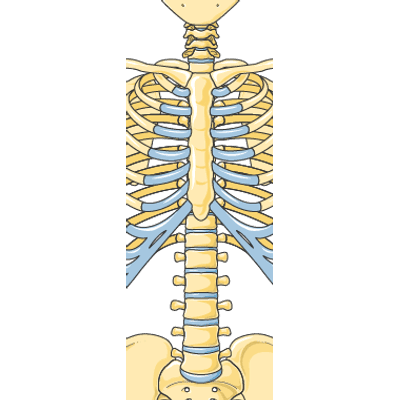
 Orthopedic
Back Pain Physiotherapy
Physiotherapy for lower back pain in Bengaluru, from desk-related stiffness to lifting strains, with exercise-led care at our clinic or on a home visit.
Conditions
Each condition has its own assessment pathway and recovery plan.
Locations
Our clinic is in Akshayanagar, and we visit patients at home in nearby areas.
Clinic
Who you will see, how treatment goes, and how to get in touch.
Patients
Articles and exercise guides for reading up before or between visits.

Knee pain physiotherapy in Bengaluru for front-of-knee pain, overuse strain and age-related stiffness, with care at our Akshayanagar clinic or at home.
Knee pain shows up in many ways. For one person it is an ache at the front of the knee after a flight of stairs; for another, it is morning stiffness or soreness that builds on a long walk. Because the knee carries so much of your weight, even a mild problem can start to shape what you do and what you avoid.
Our physiotherapists assess knee pain across Bengaluru, from students and runners to office workers and older adults in JP Nagar, Arekere and Begur. The first step is finding which structure is irritated and why, because a young runner's sore knee needs a different plan from a stiff knee at sixty. Sessions run at our Akshayanagar clinic or at home.
The knee works mainly as a hinge, relying on the thigh and hip muscles for control. Knee pain without a clear injury usually has one of a few sources. The area behind the kneecap can become sensitive, causing front-of-knee pain. The tendons above or below the kneecap can be overloaded by running, jumping or a sudden rise in activity. Cartilage and the meniscus change with age, bringing stiffness and aching. Pain is also sometimes referred from the hip or lower back. Pinpointing the source guides the right mix of exercise and load changes.
Most knee pain reflects a mismatch between the load placed on the knee and what it can currently handle. Physiotherapy works on both sides. Early on, the physiotherapist helps you adjust stairs, sitting and exercise so symptoms settle without giving up activity altogether. Taping, ice or hands-on techniques may ease pain, but they support exercise rather than replace it.
The focus then moves to building capacity. Strengthening the quadriceps, hip and calf helps the knee absorb load and keeps the kneecap tracking well. A knee that drifts inwards on a squat or step often reflects weak hip control, so movement is retrained too. Many people find stairs easier within a few weeks, though tendon and age-related pain usually take longer.
The Akshayanagar clinic suits most people with knee pain, especially active adults who benefit from progressive strengthening and a look at their running or squatting technique. A home visit makes more sense for older adults who find stairs or travel painful, or when the physiotherapist needs to see how you manage the stairs, a low sofa or the bathroom at home.
Going downstairs asks the thigh muscles to control the knee as it bends under your weight, which raises pressure behind the kneecap. It is a common pattern with front-of-knee pain. Strengthening the thigh and hip, and using the handrail for a while, usually makes stairs easier over several weeks.
Usually, yes. Mild discomfort that settles within a day is generally acceptable. Pain that rises sharply or lingers into the next day suggests the load is too high for now. The physiotherapist helps you find the right level and adjusts it as the knee improves.
Often not at first. A careful examination usually explains the problem, and scans frequently show age-related changes that are not the cause of pain. After a significant injury, with locking, or if treatment is not helping, the physiotherapist may suggest a doctor's review and imaging.
Start with an assessment at the clinic or at home. A session at the clinic is ₹800, and care packs of 5, 10 or 20 sessions bring it down to ₹600 a session.
What the first assessment covers
The home-visit fee depends on where you are, so ask us when you book.
Front-of-knee pain often comes from irritation behind the kneecap or in the patellar tendon. It tends to build with stairs, squatting, running or long sitting, and is common after a sudden rise in activity or when the thigh and hip muscles are weak.
ASA Physiotherapy has a clinic in Akshayanagar and offers home visits in nearby areas such as Hulimavu, Begur, Arekere and JP Nagar. Our physiotherapists assess knee pain at any age and build an exercise-based plan for clinic or home sessions.
It depends on the cause. Many people with front-of-knee or overuse pain notice easier stairs and walking within four to six weeks of regular exercise. Tendon problems and age-related knee pain often need two to three months or more of steady work.
A soft support can help some people feel more secure for a while, but it does not strengthen the knee, and wearing it all day can reduce muscle use. The physiotherapist can advise whether a brace or taping helps for a particular activity.
At the clinic in Akshayanagar, or at home in these areas.
OrthopedicPhysiotherapy for lower back pain in Bengaluru, from desk-related stiffness to lifting strains, with exercise-led care at our clinic or on a home visit.
 Orthopedic
Shoulder pain physiotherapy in Bengaluru for rotator cuff and impingement-type pain, with guided strengthening at our Akshayanagar clinic or at home.
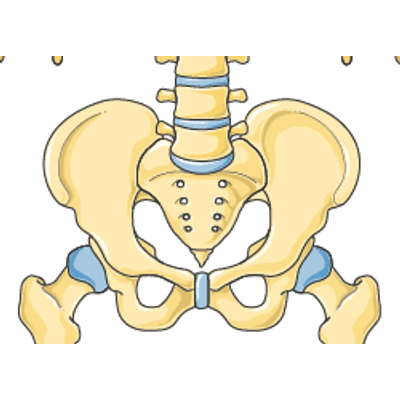 Orthopedic
Hip pain physiotherapy in Bengaluru for tendon, joint and referred pain, with a clear diagnosis and non-surgical plan at our clinic or on a home visit.
 Orthopedic
Ankle sprain physiotherapy in Bengaluru with balance retraining and strength work to help prevent repeat sprains, at our clinic or through home visits.
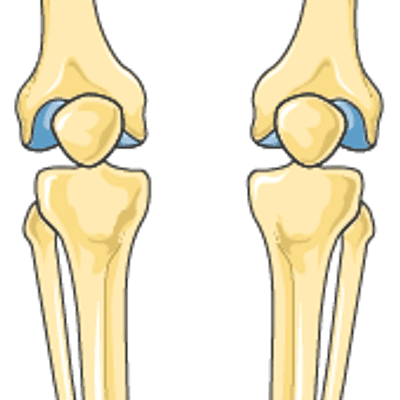 Orthopedic
Ligament injury rehabilitation in Bengaluru for knee, wrist, thumb and other sprains, paced to each stage of healing, at our clinic or on a home visit.
 Knee Pain Physiotherapy Costs: What Shapes Your Treatment Plan
 Knee Pain Exercise Safety: How to Move Safely Without Joint StrainKnee Pain Physiotherapy in Kalena Agrahara: Key Family FAQs
 Knee Pain Recovery Timeline: Stages of Healing and Rehab
 Knee Pain Symptoms: What Swelling, Clicking, and Stiffness Mean
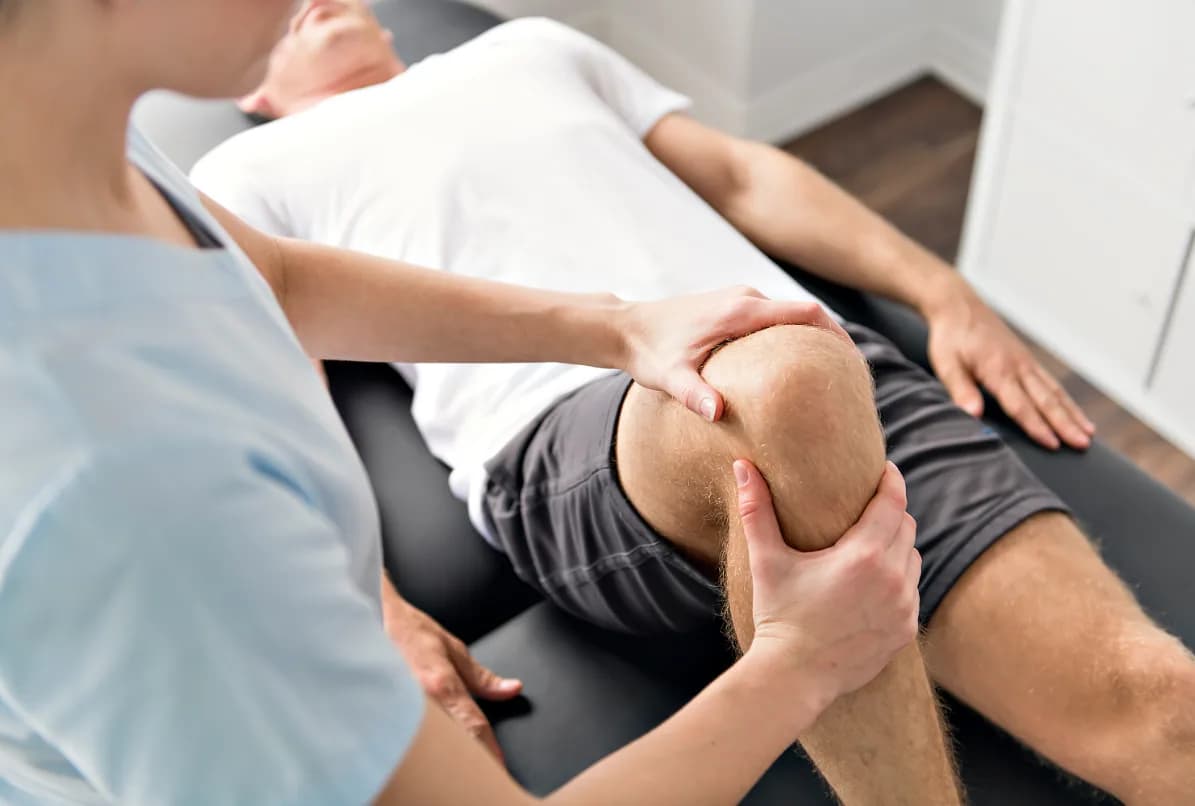 Knee pain physiotherapy for Arekere
Medically Reviewed
This page was reviewed by Dr. David S Bhaktharaj PT, Lead Physiotherapist (BPT, MIAP).
This page is for patient education and appointment planning. It does not replace diagnosis, emergency care, or advice from a treating physician. Read the full medical disclaimer.