


 Core Services
Sciatica Pain Relief and Physiotherapy
Sciatica physiotherapy in Bengaluru for nerve pain running down the leg, with careful nerve checks and graded exercise at our clinic or on a home visit.
Conditions
Each condition has its own assessment pathway and recovery plan.
Locations
Our clinic is in Akshayanagar, and we visit patients at home in nearby areas.
Clinic
Who you will see, how treatment goes, and how to get in touch.
Patients
Articles and exercise guides for reading up before or between visits.
Physiotherapy for Kalena Agrahara residents in Bengaluru: sports injuries, back pain and rehab at our Akshayanagar clinic, about 2 km away, or at home.
Kalena Agrahara sits along Bannerghatta Road, between Hulimavu and Gottigere, and has grown into a neighbourhood with many apartment communities. For a lot of residents, daily life includes evening badminton, gym sessions, weekend runs and young children to carry up and down. When those routines are interrupted by pain or injury, physiotherapy can help you understand the problem and return to activity sensibly.
Our Akshayanagar clinic is about 2 km away, and home visits are available for those who cannot travel. This page covers who usually comes to us from Kalena Agrahara, how the first assessment works, what we commonly treat, how to choose between clinic and home sessions, and what happens between visits.
Apartment gyms and shared sports courts make it easy to exercise close to home, but they also make it easy to do too much, too soon. A sudden jump in running distance, a new gym programme or a weekend tournament after weeks of inactivity is a common story behind knee, ankle, shoulder and heel pain.
Treatment for sports and exercise injuries focuses on settling pain, restoring strength and control, then rebuilding load gradually.
Typical examples include recreational athletes with sprains, tendon pain or knee problems, desk workers with back and neck pain, new parents with aches from lifting and feeding, and grandparents who have moved in to help with childcare and developed knee or back pain. We also see people recovering from ligament surgery or fractures.
At about 2 km, the clinic suits most mobile patients and is the natural setting for sports rehabilitation, where exercises are progressed week by week. Home visits suit people soon after surgery, those in severe acute pain, and older family members who find the trip tiring, and they let the physiotherapist show you how to use the space you have for exercise.
For sports injuries, you will also discuss what you can keep doing safely while you recover. The assessment usually includes:
Ankle sprains, runner's knee, Achilles and heel pain, shoulder pain from gym or racquet sports, tennis elbow and lower back pain are all common reasons for a visit. We also offer rehabilitation after ACL reconstruction and other orthopaedic surgery, following the guidance of your surgeon.
You will usually have a home programme for most days, progressed each time you are seen. Note how your body responds to training and daily activity, as this guides when to add load. Families can help by making time for exercises, particularly for new parents whose days are stretched. Expect gradual gains; returning to sport too early is a common reason injuries recur.
Book an assessment if an injury has not improved within a week or two, if you have pain every time you train, if a joint feels unstable or gives way, or if you are unsure whether it is safe to play. See a doctor straight away after an injury with severe pain, obvious deformity or inability to bear weight, or if a calf becomes hot, swollen and tender.
It varies with the severity of the sprain. Mild sprains often allow a return within a few weeks, while more significant ones can take longer. The decision is best based on function, such as comfortable hopping, running and changing direction, rather than time alone. The physiotherapist will guide you through staged testing before a full return.
Usually, in some form. Complete rest is rarely needed for common sports injuries, and staying active tends to help recovery. The physiotherapist will suggest what to modify or pause and what you can continue, such as upper-body work during a knee problem. The aim is to keep your overall fitness while the injured area recovers.
Yes. Rehabilitation is a central part of recovery after ACL reconstruction and usually runs for many months, moving from restoring movement and walking to strength, balance, running and sport-specific drills. Your surgeon's protocol guides the early stages, and a return to sport is usually based on strength and function tests rather than time alone.
Many residents live in gated apartment communities, so sharing gate, visitor-entry and lift details in advance helps home visits, and clinic visitors should allow for busy weekday traffic.
Common examples include ankle sprains, runner's knee, tendon and heel pain, desk-related back pain and rehabilitation after ligament surgery.
Home visits here usually focus on early post-operative rehabilitation and on setting up a practical exercise routine within the home.
Core ServicesSciatica physiotherapy in Bengaluru for nerve pain running down the leg, with careful nerve checks and graded exercise at our clinic or on a home visit.
 Core Services
Frozen shoulder physiotherapy in Bengaluru, paced to each phase of adhesive capsulitis, with gentle range-of-motion care at our clinic or on a home visit.
Core ServicesSlip disc physiotherapy in Bengaluru: making sense of your MRI, easing disc pain and rebuilding strength, at our Akshayanagar clinic or on a home visit.
 Core Services
Post-operative rehabilitation in Bengaluru that follows your surgeon's protocol after joint, spine, ligament or abdominal surgery, at our clinic or at home.
Core ServicesSports injury physiotherapy in Bengaluru for sprains, strains and gym injuries, with load management and a staged return to play, at our clinic or at home.
Core ServicesPhysiotherapy for older adults in Bengaluru to build strength, balance and joint comfort, with sessions at our Akshayanagar clinic or through home visits.
 Knee Pain Physiotherapy in Kalena Agrahara: Key Family FAQsStarting Arthritis Physiotherapy: Kalena Agrahara Family Guide
 Post-Fracture Rehab: Signs That Need Urgent Medical Review
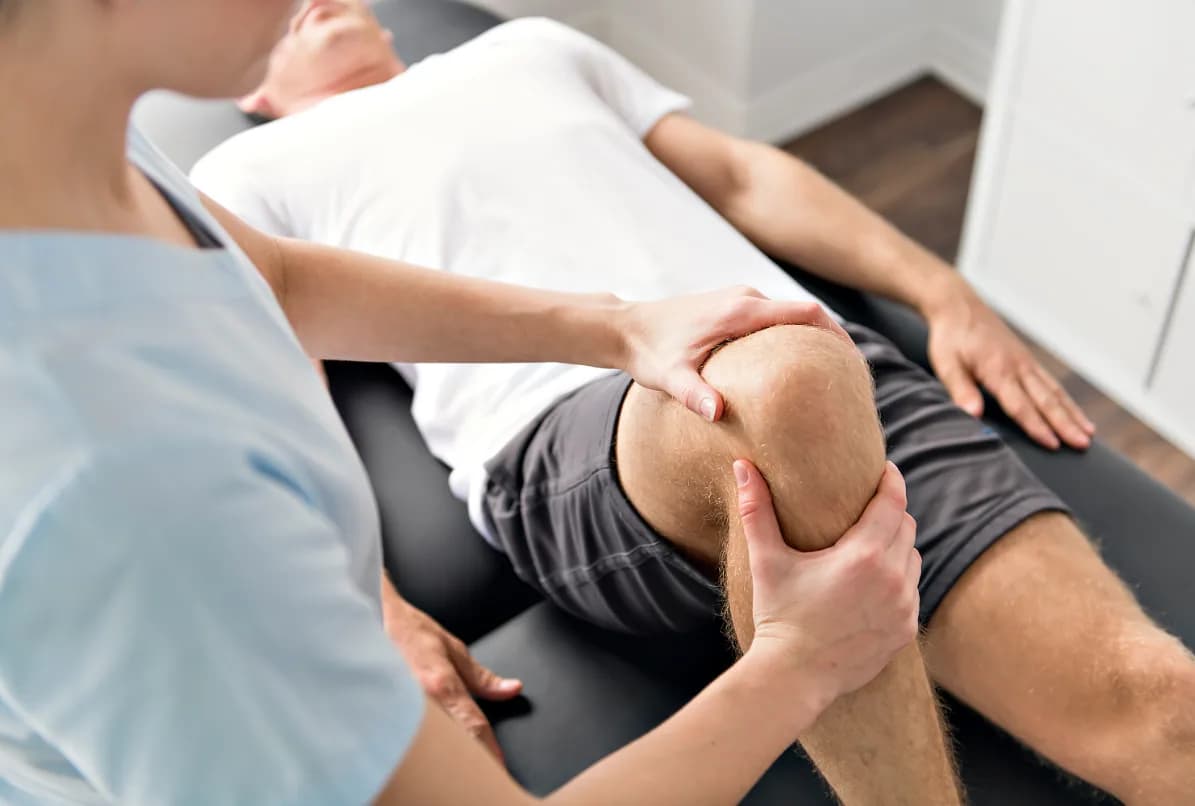 Physiotherapy in Akshayanagar 560114: what is available nearby
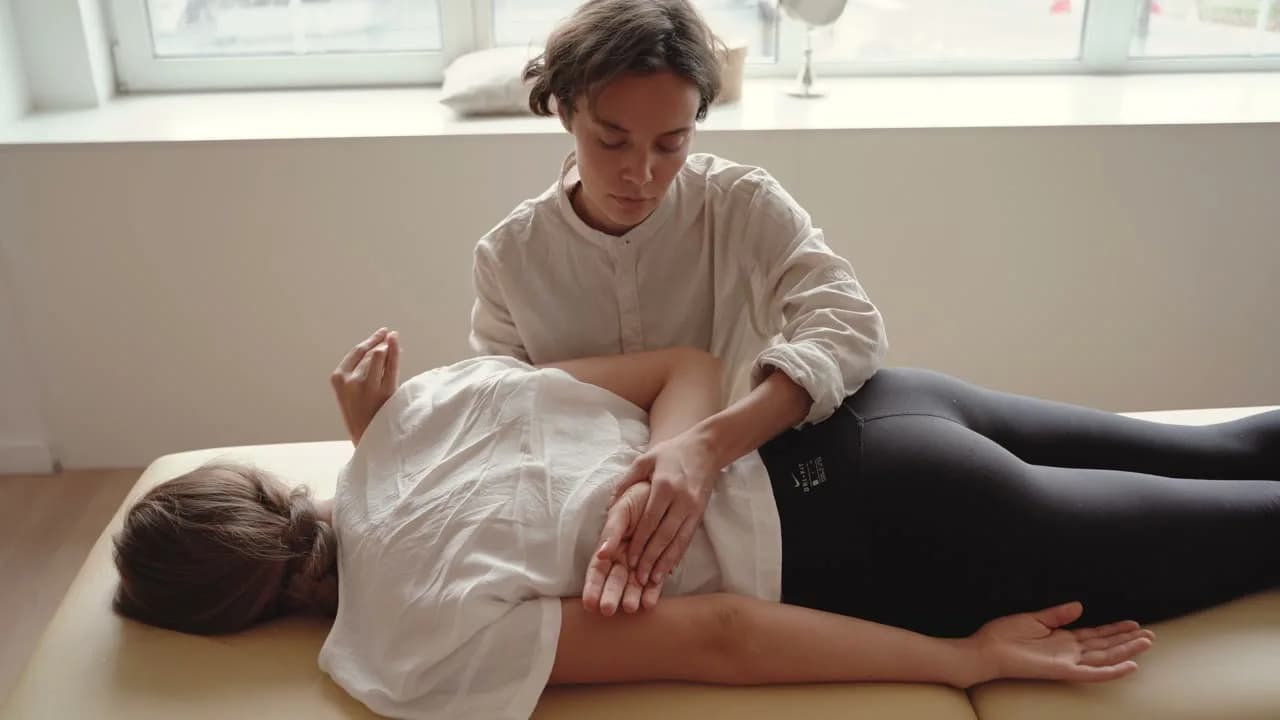 Physiotherapy for bedridden patients in Kalena AgraharaPost-Surgery Physiotherapy Costs: Financial Planning Guide
Reviewed By
Content reviewed by Dr. David S Bhaktharaj PT (BPT, MIAP), Lead Physiotherapist.
This page is for patient education and appointment planning. It does not replace diagnosis, emergency care, or advice from a treating physician. Read the full medical disclaimer.