 Core Services
Physiotherapy Clinic
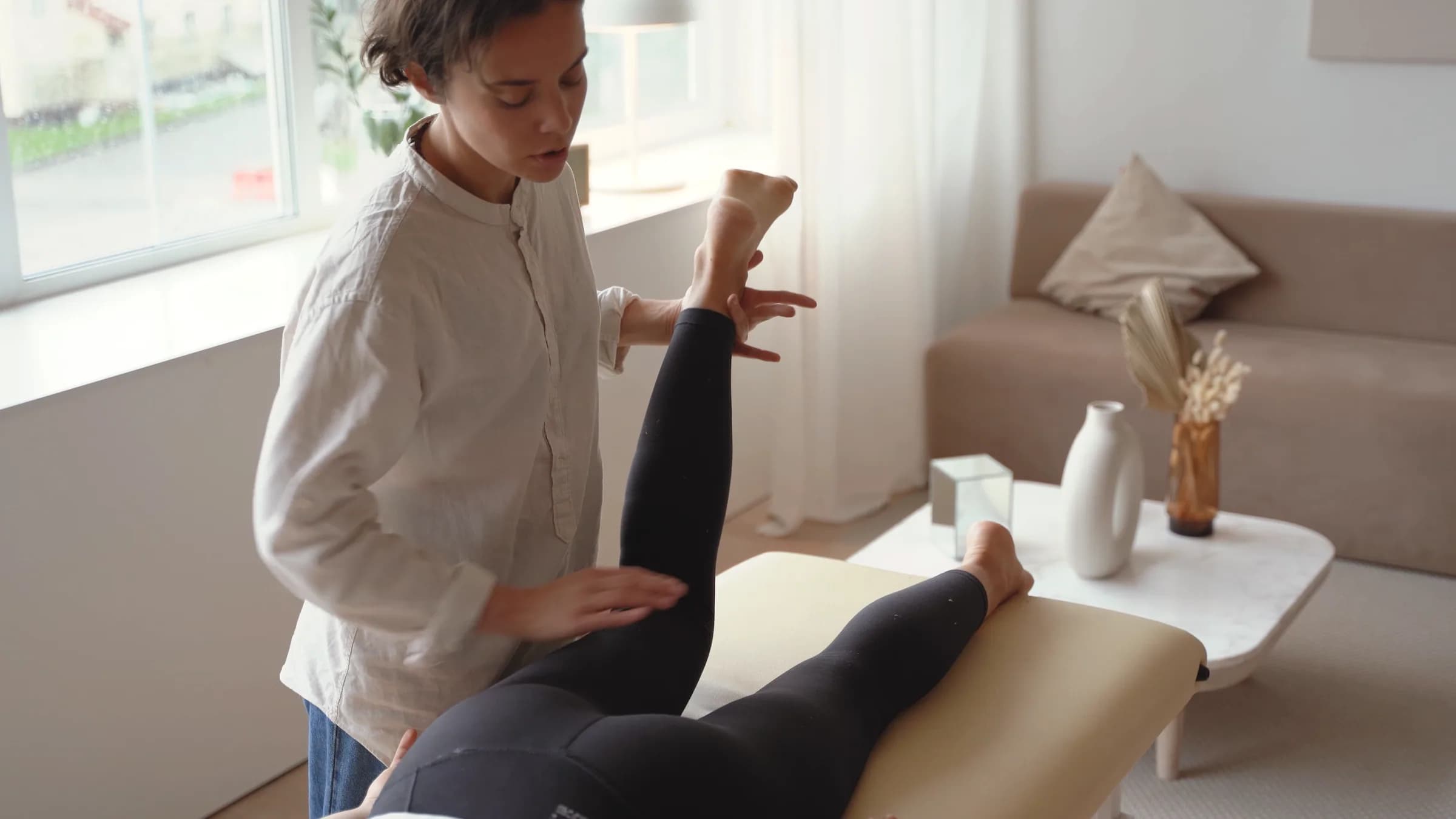
Physiotherapy clinic in Akshayanagar, Bengaluru for careful assessment, hands-on treatment and guided exercise, with home visits for those unable to travel.
Conditions
Each condition has its own assessment pathway and recovery plan.
Locations
Our clinic is in Akshayanagar, and we visit patients at home in nearby areas.
Clinic
Who you will see, how treatment goes, and how to get in touch.
Patients
Articles and exercise guides for reading up before or between visits.
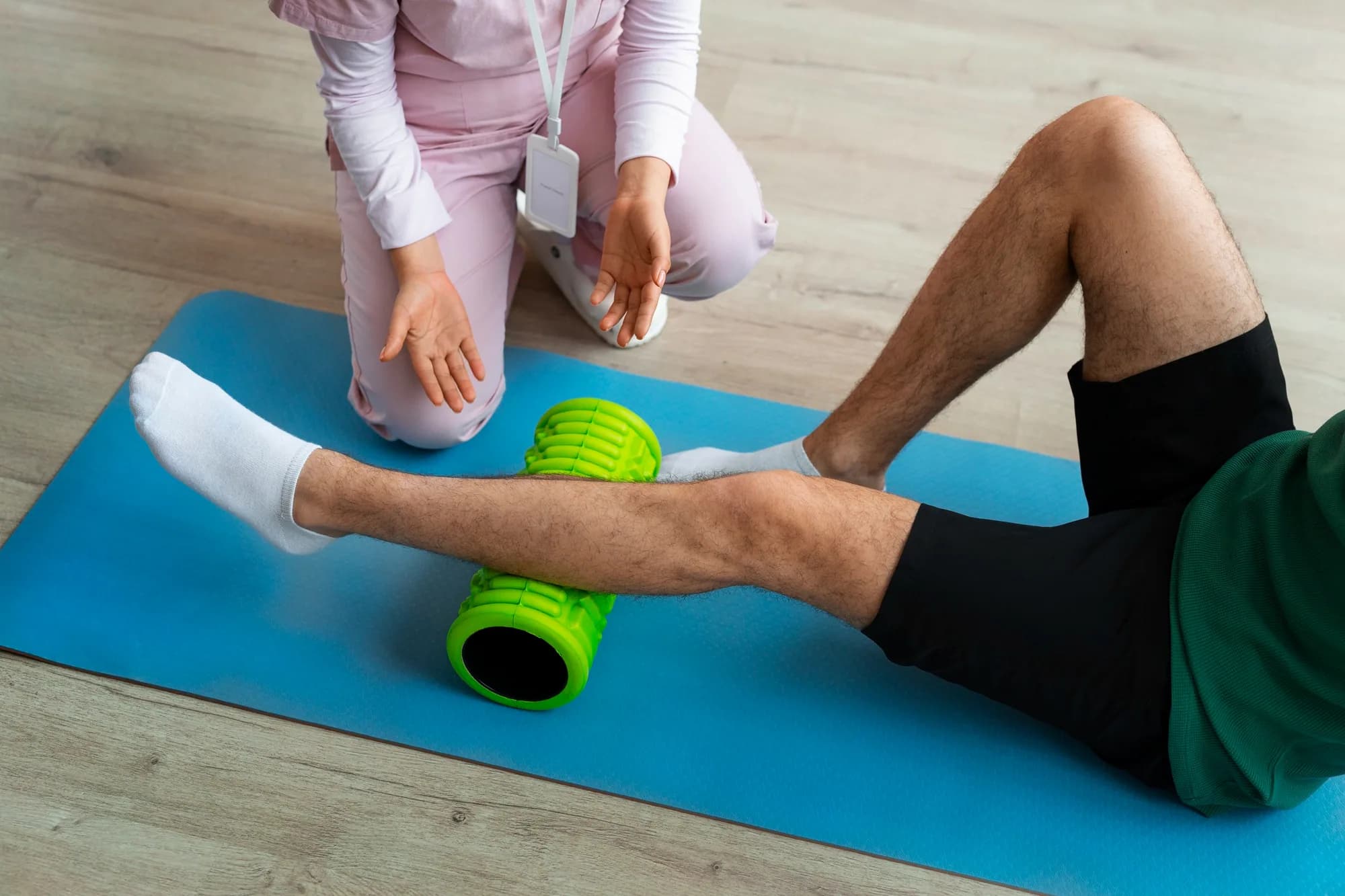
Post-operative rehabilitation in Bengaluru that follows your surgeon's protocol after joint, spine, ligament or abdominal surgery, at our clinic or at home.
Surgery repairs or replaces a structure, but the body still has to relearn how to use it. After an operation, pain, swelling, stiffness and muscle weakness are common, and each type of surgery comes with its own precautions. Post-operative rehabilitation guides you through recovery in planned stages, so healing tissue is protected while strength and movement return.
Our physiotherapists work to the instructions from your surgeon, including weight-bearing limits, movement restrictions and timelines. We see patients at the Akshayanagar clinic and through home visits in South and South-East Bengaluru, and we review your discharge summary so that each stage of the programme matches what your surgical team has advised.
Rehabilitation after surgery follows the way tissues heal. The first phase focuses on protection, controlling pain and swelling, and gentle movement within the limits the surgeon has set. As healing progresses, range of motion is restored and muscles are strengthened gradually. The final phase rebuilds function, whether that means climbing stairs, returning to work or going back to sport. A knee replacement, a shoulder repair, a spinal fusion and an abdominal operation each carry distinct rules, so the programme is shaped around the surgery you actually had.
After surgery, the muscles around the area switch off and joints stiffen quickly, partly from pain and partly from reduced use. Physiotherapy restarts them in a controlled order. Early movement limits stiffness and supports circulation, strengthening restores support around the repair, and practical training helps you return to daily tasks. The pace is set by tissue healing, not by the calendar alone.
Physiotherapy also gives you a clear point of contact between surgical reviews. The physiotherapist watches for signs that something is not right, such as unusual swelling, a wound concern or a sudden loss of movement, and advises you to contact your surgeon when needed. Knowing what is normal at each stage, and what is not, often makes recovery less worrying for patients and their families.
Home visits usually suit the first weeks, when stairs, travel and car transfers are still difficult, or after major surgery such as a joint replacement or spinal fusion. Once you can travel comfortably, clinic sessions at Akshayanagar allow more varied strengthening and functional work. Patients from BTM Layout, HSR Layout, Bommanahalli and Bannerghatta Road can begin at home and move to the clinic, and the plan can switch between the two as needs change.
It depends on the operation. After joint replacement, gentle exercise and walking often start within a day or so, usually while still in hospital. After some tendon or ligament repairs, movement is delayed or limited for a period. Your surgeon's protocol decides the timing, and the physiotherapist follows it and keeps in step with any changes.
Healing tissue has limits. A repaired tendon or ligament can be stretched or torn if loaded too early, and a new joint may carry movement precautions for some weeks. The protocol protects the repair. The physiotherapist uses it as the framework and adjusts the day-to-day exercises to how you are responding.
Often, yes. Building strength and learning your exercises, walking aid use and bed transfers before an operation can make the first days afterwards easier. This is sometimes called prehabilitation. It is particularly useful before planned joint replacement or ligament reconstruction, and it should match your surgeon's advice.
Start with an assessment at the clinic or at home. A session at the clinic is ₹800, and care packs of 5, 10 or 20 sessions bring it down to ₹600 a session.
What the first assessment covers
The home-visit fee depends on where you are, so ask us when you book.
It varies widely. Recovery after simple keyhole surgery may take a few weeks, knee replacement rehabilitation commonly continues for around three months, and ligament reconstruction often takes many months before a return to sport. The surgeon's protocol and your own progress set the timeline.
ASA Physiotherapy provides post-operative rehabilitation at its clinic in Akshayanagar and through home visits in nearby South and South-East areas of the city. The physiotherapist follows your surgeon's protocol and adjusts the programme as healing progresses.
Safe exercises depend entirely on the operation and the stage of healing. Ankle pumps and deep breathing suit most people early on, but joint-specific exercises must follow the surgeon's protocol. A physiotherapist can confirm which movements are appropriate now and when to progress.
Some swelling is common for several weeks, and after a knee replacement it can come and go for a few months, often worse at the end of an active day. Swelling that is sudden, hot or very painful, or swelling in the calf, needs prompt medical review.
At the clinic in Akshayanagar, or at home in these areas.
Core ServicesPhysiotherapy clinic in Akshayanagar, Bengaluru for careful assessment, hands-on treatment and guided exercise, with home visits for those unable to travel.
Core ServicesHome physiotherapy in Bengaluru for people who find travel hard, with assessment, exercise and family guidance at home, plus clinic visits in Akshayanagar.
Core ServicesStroke rehabilitation in Bengaluru from early recovery to long-term progress, with physiotherapy at our Akshayanagar clinic or through home visits.
 Core Services
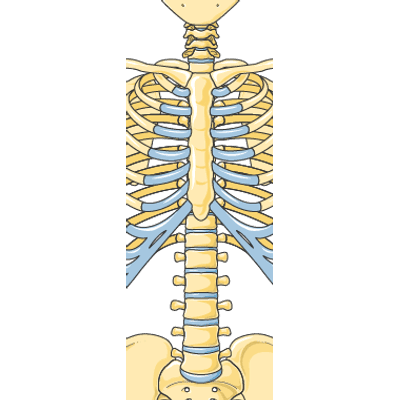
Sciatica physiotherapy in Bengaluru for nerve pain running down the leg, with careful nerve checks and graded exercise at our clinic or on a home visit.
 Core Services
Frozen shoulder physiotherapy in Bengaluru, paced to each phase of adhesive capsulitis, with gentle range-of-motion care at our clinic or on a home visit.
Medically Reviewed
This page was reviewed by Dr. David S Bhaktharaj PT, Lead Physiotherapist (BPT, MIAP).
This page is for patient education and appointment planning. It does not replace diagnosis, emergency care, or advice from a treating physician. Read the full medical disclaimer.