



 Orthopedic
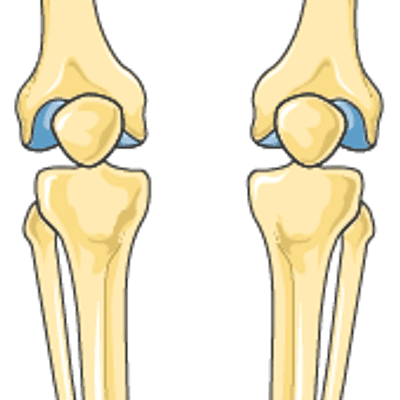
Knee Pain Physiotherapy
Knee pain physiotherapy in Bengaluru for front-of-knee pain, overuse strain and age-related stiffness, with care at our Akshayanagar clinic or at home.
Conditions
Each condition has its own assessment pathway and recovery plan.
Locations
Our clinic is in Akshayanagar, and we visit patients at home in nearby areas.
Clinic
Who you will see, how treatment goes, and how to get in touch.
Patients
Articles and exercise guides for reading up before or between visits.

Physiotherapy for lower back pain in Bengaluru, from desk-related stiffness to lifting strains, with exercise-led care at our clinic or on a home visit.
Lower back pain is one of the most common reasons adults see a physiotherapist. It can arrive suddenly after lifting a bucket, or build slowly over months of long days at a desk. Most episodes are not caused by serious damage and many settle within weeks, but the pain can still be worrying and make simple tasks hard.
Our physiotherapists help people across Bengaluru understand what is driving their back pain. We see office workers from HSR Layout and Electronic City, parents lifting young children, and older adults whose backs have grown stiff. Sessions take place at our Akshayanagar clinic or at home, depending on how easily you can move and travel.
Most lower back pain is called non-specific or mechanical. It comes from the muscles, joints, ligaments and discs of the lower back reacting to strain, rather than from one injury that shows up clearly on a scan. The spine is strong, and pain does not always mean harm. Poor sleep, stress, inactivity and sudden overload can make the back more sensitive, while steady movement and time usually calm it. A smaller group of people have pain linked to a nerve, a fracture or an illness, which is why assessment matters.
Physiotherapy for back pain starts with a clear explanation. Knowing that most back pain is not a sign of damage often eases fear, and people who stay confident about moving tend to recover better. The physiotherapist then identifies which movements and habits aggravate your pain, and builds a plan you can follow between sessions, so progress does not depend on clinic visits alone.
Exercise sits at the centre of most programmes. Early exercises are gentle and aim to ease stiffness. Over the following weeks they progress to strength and endurance work for the trunk, hips and legs, with practice of real tasks such as lifting a bag, getting into a car or sitting through a long meeting. Hands-on techniques may be added for short-term pain relief.
Most people with back pain do well coming to the clinic in Akshayanagar, where there is room to practise lifting and strengthening. A home visit may suit you better during the first days of a severe flare, when sitting in a vehicle hurts, or for older adults and new parents who find travel hard. Seeing your desk and bed set-up also helps the advice fit your home.
Staying in bed for more than a day or so usually slows recovery. Gentle movement, short walks and frequent changes of position help the back settle. Staying reasonably active, while easing off heavy tasks for a while, is one of the most useful things you can do.
Most people do not. Disc bulges and wear are common in people with no pain at all, and they rarely change the plan. Scans become useful when red flags are present, when nerve symptoms are worsening, or when a doctor is weighing up other treatment.
Many acute episodes improve noticeably within two to six weeks. Some people have pain that lingers or returns, often because daily habits keep loading the back the same way. Physiotherapy looks at those patterns so recovery is more complete and flare-ups are easier to manage.
Start with an assessment at the clinic or at home. A session at the clinic is ₹800, and care packs of 5, 10 or 20 sessions bring it down to ₹600 a session.
What the first assessment covers
The home-visit fee depends on where you are, so ask us when you book.
For most people, yes. Walking keeps the back moving without heavy strain and is often easy to continue during a flare. Start with short, comfortable walks and build up gradually. If walking brings on pain or numbness down the leg, have it assessed.
Hours in one position load the same tissues without a break, so the back becomes stiff and sensitive. Regular changes of position, a screen at eye level and short movement breaks usually help more than hunting for one perfect posture.
There is no single best position. Many people are comfortable on their side with a pillow between the knees, or on their back with a pillow under the knees. Choose whatever lets you sleep with the least pain.
Yes. ASA Physiotherapy offers home visits in nearby areas such as HSR Layout, Bommanahalli and Begur, as well as sessions at its Akshayanagar clinic. A home visit can help when pain makes travelling difficult in the early days.
At the clinic in Akshayanagar, or at home in these areas.
OrthopedicKnee pain physiotherapy in Bengaluru for front-of-knee pain, overuse strain and age-related stiffness, with care at our Akshayanagar clinic or at home.
 Orthopedic
Shoulder pain physiotherapy in Bengaluru for rotator cuff and impingement-type pain, with guided strengthening at our Akshayanagar clinic or at home.
 Orthopedic
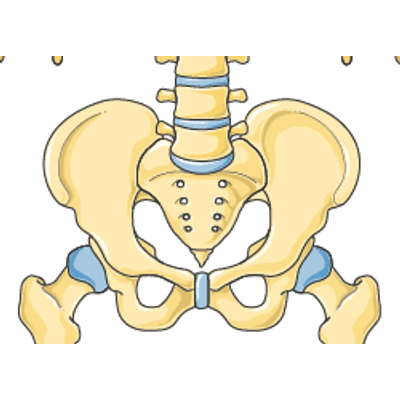
Hip pain physiotherapy in Bengaluru for tendon, joint and referred pain, with a clear diagnosis and non-surgical plan at our clinic or on a home visit.
 Orthopedic
Ankle sprain physiotherapy in Bengaluru with balance retraining and strength work to help prevent repeat sprains, at our clinic or through home visits.
OrthopedicLigament injury rehabilitation in Bengaluru for knee, wrist, thumb and other sprains, paced to each stage of healing, at our clinic or on a home visit.
 Shoulder Pain Physiotherapy in Hulimavu: Clinic vs Home Visit
 Plantar Fasciitis in Devarachikkanahalli: Family Questions
 Understanding Neck Pain Physiotherapy Costs and Session Factors
 Back Pain Physiotherapy Costs: Guide for Families
 Knee Pain Physiotherapy in Kalena Agrahara: Key Family FAQs
 Neck Pain Exercise Safety: Moving Safely at Home
Medically Reviewed
This page was reviewed by Dr. David S Bhaktharaj PT, Lead Physiotherapist (BPT, MIAP).
This page is for patient education and appointment planning. It does not replace diagnosis, emergency care, or advice from a treating physician. Read the full medical disclaimer.