



 Core Services
Home Physiotherapy
Home physiotherapy in Bengaluru for people who find travel hard, with assessment, exercise and family guidance at home, plus clinic visits in Akshayanagar.
Conditions
Each condition has its own assessment pathway and recovery plan.
Locations
Our clinic is in Akshayanagar, and we visit patients at home in nearby areas.
Clinic
Who you will see, how treatment goes, and how to get in touch.
Patients
Articles and exercise guides for reading up before or between visits.
Physiotherapy clinic in Akshayanagar, Bengaluru for careful assessment, hands-on treatment and guided exercise, with home visits for those unable to travel.
Our clinic in Akshayanagar is where we see patients who are able to travel for their sessions. The clinic setting gives the physiotherapist room to watch how you move, test strength properly and guide exercises closely, which suits most muscle, joint and nerve problems. Many patients come from neighbouring Hulimavu, Arekere, Bilekahalli and Begur, or from along Bannerghatta Road.
Every course of treatment begins with a careful assessment and a plain explanation of what is going on. We then agree a plan that fits your work, family routine and goals, and review it as you improve. If travelling becomes difficult at any stage, our physiotherapists can see you at home instead, so treatment need not stop.
Physiotherapy at a clinic is built around assessment. Before treating anything, the physiotherapist wants to understand where your pain or limitation comes from, what changes it and how it affects your day. Treatment then usually combines hands-on techniques to ease pain and stiffness, exercises matched to your current level, and advice on posture, activity and pacing. The clinic makes it easier to test movement accurately and to progress exercises safely while you are observed. The aim is to settle symptoms and help you manage the problem yourself.
Most muscle and joint problems respond better once the cause is understood. A knee that aches on stairs may be linked to weak hip muscles, and a stiff neck may be tied to how a screen is set up. The assessment looks beyond the sore spot, so treatment targets the reasons behind the pain rather than the symptoms alone, which can make repeat episodes less likely.
In the clinic, the physiotherapist can correct exercise technique as you go, adjust the difficulty from one session to the next and add hands-on treatment when it helps. Progress is measured against the goals you set together, so you can see what is improving and what still needs attention. Over time, the balance shifts from treatment in the clinic towards exercise and habits you maintain yourself.
A clinic visit usually suits people who can travel without much difficulty, such as working adults, students, active older adults and anyone recovering from a sports or work injury. The clinic is on the first floor, so please mention it when booking if stairs are a concern. A home visit makes more sense soon after surgery, when sitting in a vehicle is painful, or for someone who is frail or mostly home-bound. Some patients start at home and move to the clinic as they improve.
You will be asked about your symptoms, health history and daily routine, then examined through movement and strength tests. The physiotherapist explains the findings in plain language, agrees goals with you and usually begins treatment in the same session, including one or two exercises to start at home.
It depends on the problem, how long you have had it and how consistently you do your exercises. A recent strain may settle in a few sessions, while a long-standing or post-surgical problem usually needs a longer programme. You will get an honest estimate after the assessment, reviewed as you progress.
Some techniques and exercises cause mild, short-lived discomfort, and muscles may feel tired afterwards, as with any new activity. Treatment should not leave you in sharp or lasting pain. Tell the physiotherapist how you feel during the session so the approach can be adjusted.
Start with an assessment at the clinic or at home. A session at the clinic is ₹800, and care packs of 5, 10 or 20 sessions bring it down to ₹600 a session.
What the first assessment covers
The home-visit fee depends on where you are, so ask us when you book.
The clinic is on the first floor in Sugama Layout, Nayapanahalli, Akshayanagar, Bengaluru. It is close to neighbourhoods such as Hulimavu, Arekere, Bilekahalli, Begur and Devarachikkanahalli, and home visits are available for patients who cannot travel to the clinic.
Yes, most muscle and joint problems can be assessed without one. The physiotherapist examines you and decides whether imaging or a doctor's review is needed first. If you already have scans or reports, bring them along, as they add useful detail to the assessment.
A physiotherapy clinic commonly treats back and neck pain, joint pain, sports injuries, posture-related problems and recovery after fractures or surgery, as well as stiffness, weakness and balance problems. If your symptoms need medical review first, the physiotherapist will tell you.
Yes. Alongside clinic sessions in Akshayanagar, our physiotherapists visit patients at home in nearby neighbourhoods. Home visits suit people recovering from surgery, those who are frail, and anyone for whom travel is painful. Many patients use both options at different stages of recovery.
At the clinic in Akshayanagar, or at home in these areas.
Core ServicesHome physiotherapy in Bengaluru for people who find travel hard, with assessment, exercise and family guidance at home, plus clinic visits in Akshayanagar.
Core ServicesStroke rehabilitation in Bengaluru from early recovery to long-term progress, with physiotherapy at our Akshayanagar clinic or through home visits.
 Core Services
Sciatica physiotherapy in Bengaluru for nerve pain running down the leg, with careful nerve checks and graded exercise at our clinic or on a home visit.
 Core Services
Frozen shoulder physiotherapy in Bengaluru, paced to each phase of adhesive capsulitis, with gentle range-of-motion care at our clinic or on a home visit.
Core ServicesSlip disc physiotherapy in Bengaluru: making sense of your MRI, easing disc pain and rebuilding strength, at our Akshayanagar clinic or on a home visit.
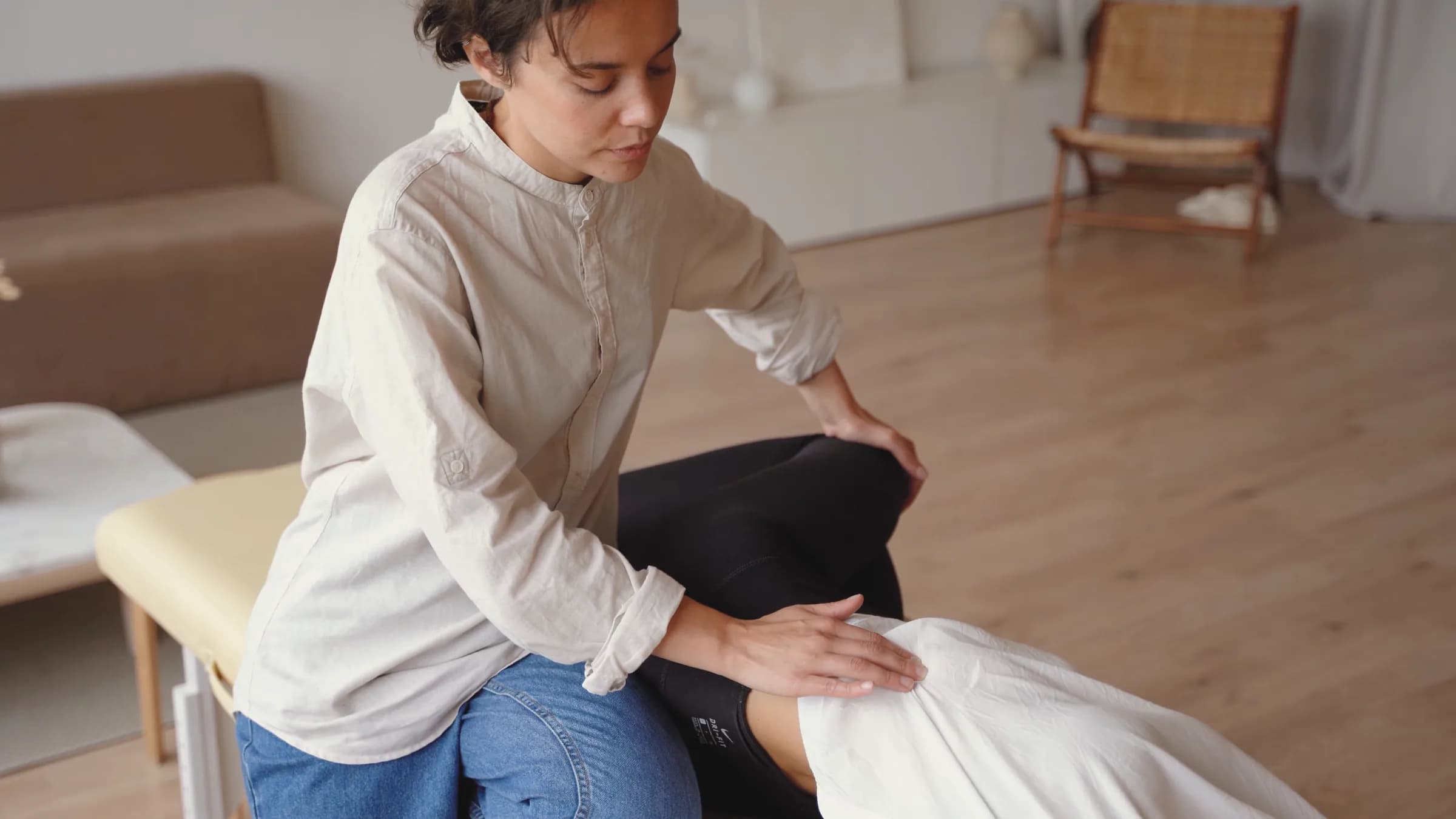 How to choose a physiotherapy clinic in Akshayanagar
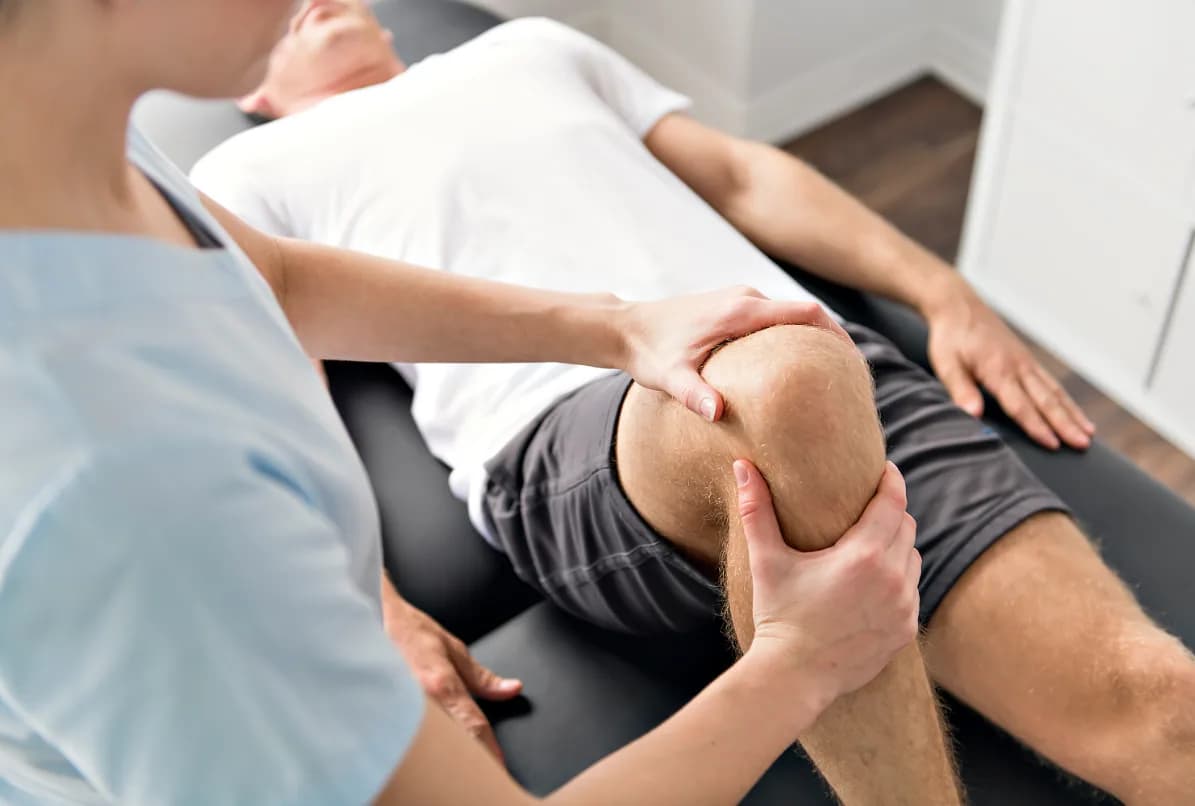 Physiotherapy in Akshayanagar 560114: what is available nearby
 ACL Rehab in Akshayanagar: Questions Families Ask First
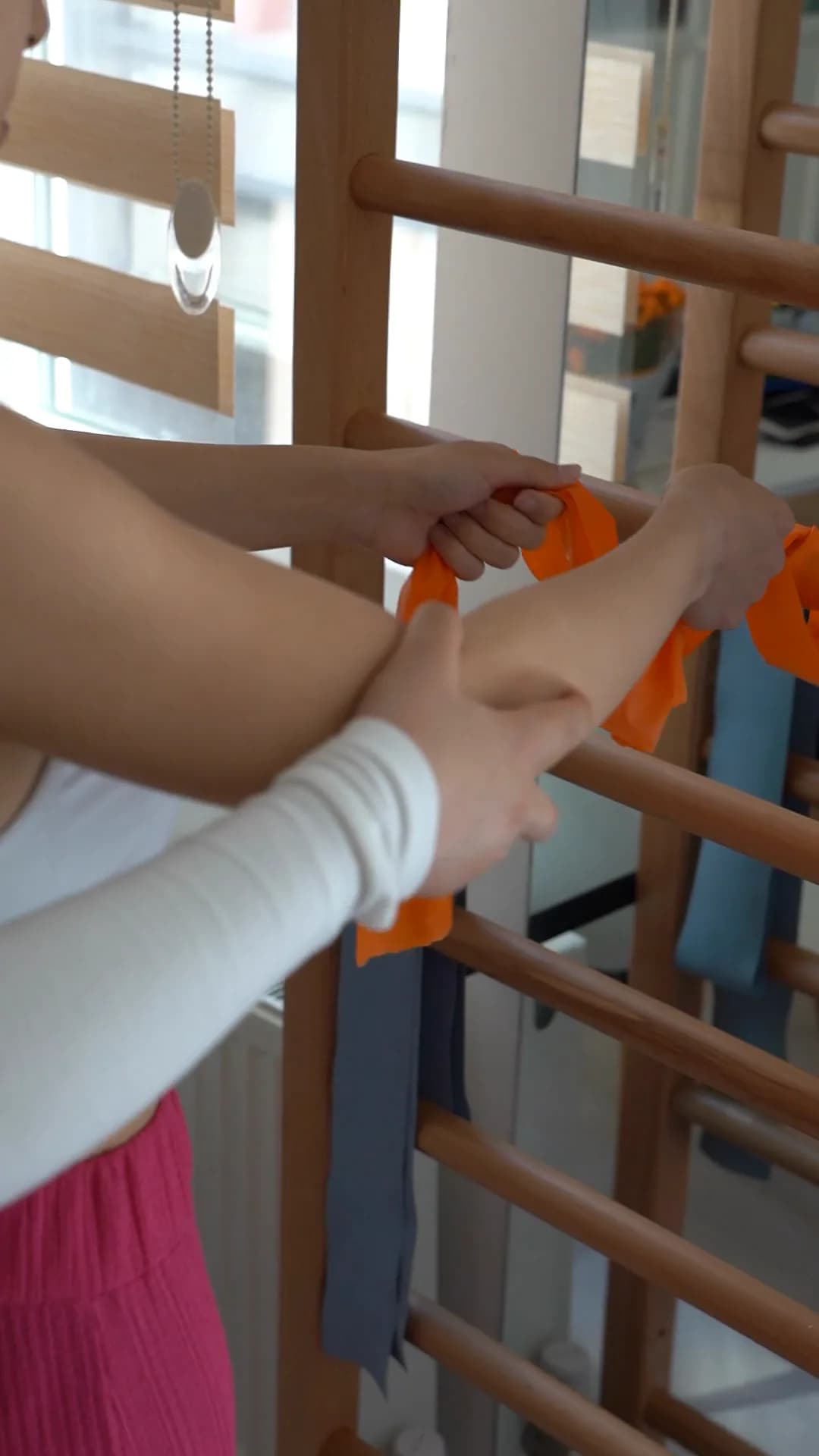 Evening and weekend physiotherapy in Akshayanagar
 Walking Difficulty Physiotherapy in Akshayanagar: Family Guide
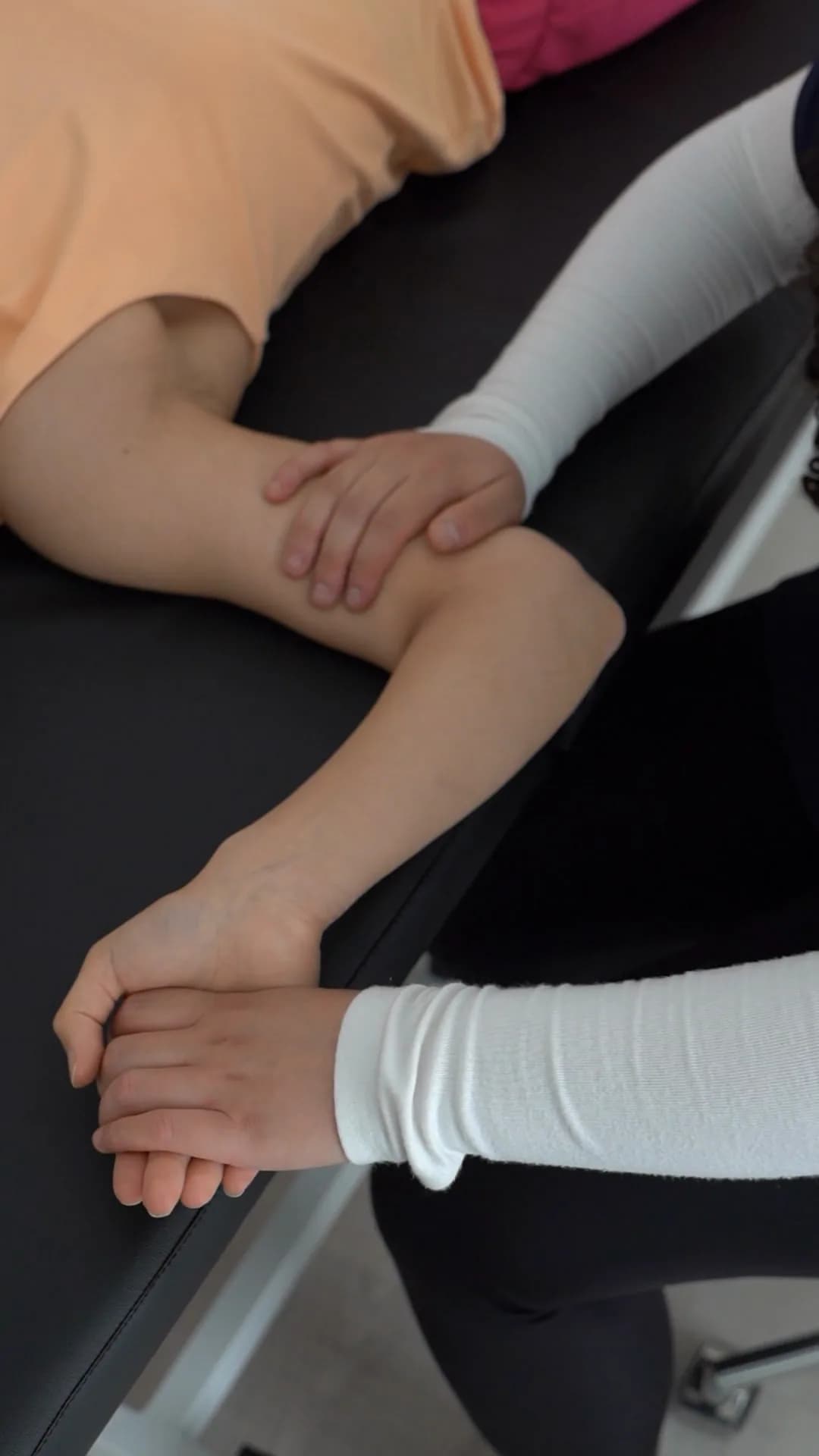 Knee pain physiotherapy in Akshayanagar
Medically Reviewed
This page was reviewed by Dr. David S Bhaktharaj PT, Lead Physiotherapist (BPT, MIAP).
This page is for patient education and appointment planning. It does not replace diagnosis, emergency care, or advice from a treating physician. Read the full medical disclaimer.