


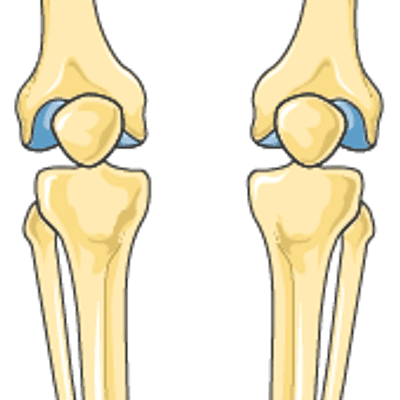
 Orthopedic
Knee Pain Physiotherapy
Knee pain physiotherapy in Bengaluru for front-of-knee pain, overuse strain and age-related stiffness, with care at our Akshayanagar clinic or at home.
Conditions
Each condition has its own assessment pathway and recovery plan.
Locations
Our clinic is in Akshayanagar, and we visit patients at home in nearby areas.
Clinic
Who you will see, how treatment goes, and how to get in touch.
Patients
Articles and exercise guides for reading up before or between visits.
Physiotherapy for Bilekahalli families in Bengaluru, from back and joint pain to rehab for older parents, at our Akshayanagar clinic or with a home visit.
Bilekahalli is an established residential neighbourhood, and many homes here include more than one generation under one roof. A single household may be juggling a working adult's back pain, a teenager's sports injury and a grandparent's knee arthritis at once. Physiotherapy can help each of them, though the approach and the setting may differ from person to person.
Our clinic in Akshayanagar is about 3 km away, and we also visit patients at home in nearby areas such as Bilekahalli, Arekere and BTM Layout. This page sets out how we usually work with Bilekahalli residents, from the first assessment to the exercises you continue at home, and how to choose a setting for each family member.
For older adults, the goals are often practical: getting up from a chair without pushing hard on the arms, walking to the local shop with confidence, managing stairs, or returning to a daily walk after illness. Strength and balance can usually be improved at any age, and doing so may lower the risk of falls.
Adult children often ask how to help without taking over. Usually it means encouraging, supervising the trickier exercises at first, and making the home safer with less clutter, better lighting and grab rails where needed.
Typical examples of the people we see from Bilekahalli include:
At about 3 km, Bilekahalli is one of the slightly further neighbourhoods we serve, though still close enough for regular clinic sessions if you travel comfortably, especially when working on strength, sport or a return to work.
Home visits are often the better starting point for older family members, anyone recently discharged from hospital, and people whose pain makes sitting in a vehicle difficult. A combined plan works well for some: early sessions at home, then a move to the clinic once travelling feels manageable.
We start by asking about the problem, your general health and what you hope to do again. For an older patient, a family member can fill in details about medicines, past falls or hospital stays. The assessment then looks at movement, strength, balance and walking, adapted to what the person can comfortably do. You will come away knowing what is likely happening, the first goals and which exercises to begin.
The range is broad because the households are. Older residents often come with knee osteoarthritis or hip stiffness, working adults with lower back pain, sciatica or neck pain, and younger patients with ankle sprains and muscle strains. We also help with rehabilitation after joint replacement, fracture, or a hospital stay that has left someone weak.
Between visits, the home exercise programme does most of the work. Keep it somewhere visible, tick off sessions on a simple chart and try to exercise at the same time each day. For a parent with low confidence, a family member standing nearby during balance work adds safety. Report new swelling, increasing pain or a change in walking before the next session.
Get urgent medical help, not physiotherapy, for a fall with severe pain or an obviously misshapen limb, sudden confusion or one-sided weakness, or a hot, swollen, painful calf. Otherwise, these are good reasons to book:
Often, yes. Balance and leg-strength exercises, practice with standing up and sitting down, and advice on walking aids and home safety can make a noticeable difference for many older adults. Progress varies with overall health, but even small strength gains can make daily tasks easier.
It depends on the person. If travel is tiring or painful, or someone has just left hospital, a home visit is often the sensible start. If you are mobile and keen to work on strength or sport, clinic sessions usually suit better. Some families use both, moving from home to clinic as recovery progresses.
It helps to share the main concern, any recent hospital stay or surgery, and a list of current medicines. Mention whether there are stairs, whether the person uses a walking aid, and whether someone will be at home to learn the exercises. Keeping discharge notes and reports handy also saves time during the visit.
Homes range from independent houses with stairs to apartments, so home visits go best with a clear space to walk and a family member present, and clinic visits need a little more planning given the distance.
Typical examples include knee osteoarthritis, balance problems and falls, lower back pain, sports sprains and rehabilitation after joint replacement or fracture.
Home visits here usually focus on strength, balance and safe walking for older family members, along with early rehabilitation after surgery.
OrthopedicKnee pain physiotherapy in Bengaluru for front-of-knee pain, overuse strain and age-related stiffness, with care at our Akshayanagar clinic or at home.
 Core Services
Stroke rehabilitation in Bengaluru from early recovery to long-term progress, with physiotherapy at our Akshayanagar clinic or through home visits.
 Core Services
Sciatica physiotherapy in Bengaluru for nerve pain running down the leg, with careful nerve checks and graded exercise at our clinic or on a home visit.
 Core Services
Frozen shoulder physiotherapy in Bengaluru, paced to each phase of adhesive capsulitis, with gentle range-of-motion care at our clinic or on a home visit.
Core ServicesSlip disc physiotherapy in Bengaluru: making sense of your MRI, easing disc pain and rebuilding strength, at our Akshayanagar clinic or on a home visit.
Core ServicesPost-operative rehabilitation in Bengaluru that follows your surgeon's protocol after joint, spine, ligament or abdominal surgery, at our clinic or at home.
 Multiple Sclerosis Rehab in Bilekahalli: Family Questions
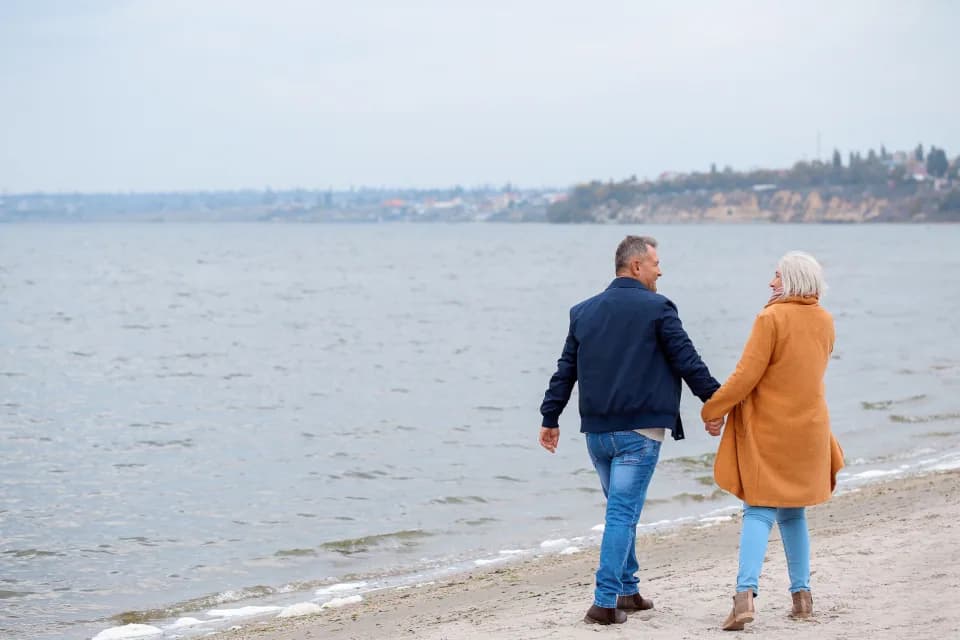 Elderly Physiotherapy in Bilekahalli: Questions Families Ask
 Slip Disc Symptoms: When to Seek Urgent Medical Care in Bilekahalli
 Post-surgery physiotherapy for Bilekahalli
 Stroke Rehabilitation Costs in Bengaluru: A Family Guide
 Knee Pain Physiotherapy Costs: What Shapes Your Treatment Plan
Reviewed By
Content reviewed by Dr. David S Bhaktharaj PT (BPT, MIAP), Lead Physiotherapist.
This page is for patient education and appointment planning. It does not replace diagnosis, emergency care, or advice from a treating physician. Read the full medical disclaimer.