



 Orthopedic
Back Pain Physiotherapy
Physiotherapy for lower back pain in Bengaluru, from desk-related stiffness to lifting strains, with exercise-led care at our clinic or on a home visit.
Conditions
Each condition has its own assessment pathway and recovery plan.
Locations
Our clinic is in Akshayanagar, and we visit patients at home in nearby areas.
Clinic
Who you will see, how treatment goes, and how to get in touch.
Patients
Articles and exercise guides for reading up before or between visits.

Hip pain physiotherapy in Bengaluru for tendon, joint and referred pain, with a clear diagnosis and non-surgical plan at our clinic or on a home visit.
Hip pain can be hard to pin down. Some people feel it in the groin, others on the outer hip when lying on that side at night, and some feel a buttock ache that actually starts in the lower back. Where the pain sits and what brings it on give useful clues, and the cause shapes the right treatment.
Our physiotherapists assess hip pain in adults across Bengaluru, including BTM Layout, Bommanahalli and Bannerghatta Road, with a focus on non-surgical care wherever that is appropriate. For many people, a structured exercise programme and a few changes to sleep, sitting and walking habits make a real difference. Sessions are available at our Akshayanagar clinic or at home.
Most hip pain falls into three broad groups. Tendon-related pain, often called gluteal tendinopathy, affects the outer hip and is common in women over forty. Joint-related pain comes from the ball-and-socket joint itself, through osteoarthritis, a labral tear or hip impingement, and is usually felt in the groin. Referred pain starts in the lower back or sacroiliac region and is felt in the buttock or around the hip. These groups can overlap, so the physiotherapist examines the hip and spine together to find the main driver.
Physiotherapy for hip pain starts with getting the diagnosis right, because the three main causes respond to different approaches. Outer hip tendon pain often improves once compressive positions are reduced and the tendons are loaded progressively. Joint pain from arthritis or impingement responds to strengthening, movement within comfort and changes to how you sit, bend and walk. Referred pain calls for treating the spine.
Across all three, the aim is a hip that tolerates everyday load again. Strengthening the buttock, core and thigh muscles improves control on stairs and slopes, while walking analysis can reveal habits, such as leaning or hitching the hip, that keep symptoms going. Recovery varies: tendon pain often needs two to three months of consistent exercise, and arthritis is managed over the longer term.
The Akshayanagar clinic suits most people with hip pain, particularly active adults who need progressive strengthening and movement analysis. A home visit makes more sense when sitting in a vehicle or walking is painful, when an older adult has hip arthritis and limited mobility, or when checking chair height, bed setup and stairs at home would help.
Outer hip pain from the gluteal tendons often flares when lying on the painful side, or on the other side when the top knee drops and squeezes the tendon. A pillow between the knees and gradual strengthening usually help. Constant night pain unrelated to position should be checked by a doctor.
It can be hard to tell. Groin pain made worse by hip movement points to the joint, while buttock pain that changes with bending, sitting or back movement often starts in the spine. The physiotherapist tests both areas at the first visit to find the likely source.
Many people with mild to moderate hip osteoarthritis manage well with exercise, weight management, pacing and pain relief advised by their doctor. Physiotherapy improves strength, movement and walking. If pain and function stay poor despite a good trial of care, a surgical opinion may be worth considering.
Start with an assessment at the clinic or at home. A session at the clinic is ₹800, and care packs of 5, 10 or 20 sessions bring it down to ₹600 a session.
What the first assessment covers
The home-visit fee depends on where you are, so ask us when you book.
Gluteal tendinopathy is irritation of the tendons that attach the buttock muscles to the outer hip bone. It causes outer hip pain, especially when lying on that side, climbing stairs or standing on one leg, and is usually treated with load management and progressive strengthening.
ASA Physiotherapy treats hip pain at its Akshayanagar clinic and through home visits in nearby areas such as BTM Layout, Bommanahalli, Bannerghatta Road and Hulimavu. Our physiotherapists check whether pain comes from the tendons, the joint or the back before planning treatment.
Early hip osteoarthritis often causes groin or front-of-thigh pain, stiffness after sitting, and difficulty with socks, shoes or getting out of a car. Pain may come and go with activity. A physiotherapist or doctor can assess movement and advise whether imaging would help.
Many people with outer hip pain are more comfortable on their back, or on the other side with a pillow between the knees to keep the top leg level. Lying directly on the painful side often aggravates it. The best position depends on the cause, so ask your physiotherapist.
At the clinic in Akshayanagar, or at home in these areas.
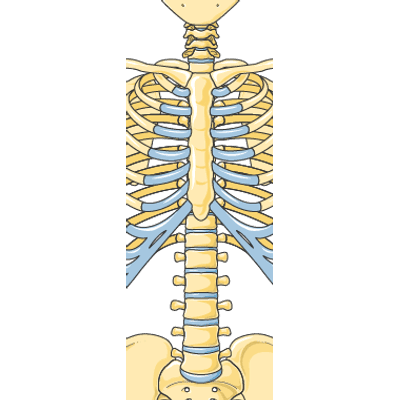
OrthopedicPhysiotherapy for lower back pain in Bengaluru, from desk-related stiffness to lifting strains, with exercise-led care at our clinic or on a home visit.
 Orthopedic
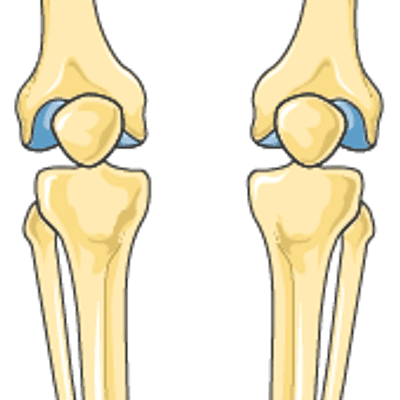
Knee pain physiotherapy in Bengaluru for front-of-knee pain, overuse strain and age-related stiffness, with care at our Akshayanagar clinic or at home.
 Orthopedic
Shoulder pain physiotherapy in Bengaluru for rotator cuff and impingement-type pain, with guided strengthening at our Akshayanagar clinic or at home.
 Orthopedic
Ankle sprain physiotherapy in Bengaluru with balance retraining and strength work to help prevent repeat sprains, at our clinic or through home visits.
OrthopedicLigament injury rehabilitation in Bengaluru for knee, wrist, thumb and other sprains, paced to each stage of healing, at our clinic or on a home visit.
 Knee Pain Physiotherapy Costs: What Shapes Your Treatment Plan
 Back Pain Physiotherapy Costs: Guide for Families
 Knee Pain Exercise Safety: How to Move Safely Without Joint Strain
 Neck Pain Exercise Safety: Moving Safely at Home
 Back Pain Exercise Safety: How to Stay Active without Injury
 Hip Pain Physiotherapy in Bannerghatta Road: Family FAQs
Medically Reviewed
This page was reviewed by Dr. David S Bhaktharaj PT, Lead Physiotherapist (BPT, MIAP).
This page is for patient education and appointment planning. It does not replace diagnosis, emergency care, or advice from a treating physician. Read the full medical disclaimer.