


 Core Services
Sports Injury Physiotherapy
Sports injury physiotherapy in Bengaluru for sprains, strains and gym injuries, with load management and a staged return to play, at our clinic or at home.
Conditions
Each condition has its own assessment pathway and recovery plan.
Locations
Our clinic is in Akshayanagar, and we visit patients at home in nearby areas.
Clinic
Who you will see, how treatment goes, and how to get in touch.
Patients
Articles and exercise guides for reading up before or between visits.
Physiotherapy for BTM Layout residents, with home visits or sessions at our Akshayanagar clinic, for neck and back pain, gym strains and injury recovery.
BTM Layout is one of the busier residential areas of South Bengaluru, home to many young working professionals and students as well as long-settled families. Plenty of the people we see from here spend long days at a screen, train at a gym in the evening, or juggle both with a commute. Physiotherapy helps you understand the pain and what to do about it.
Our clinic in Akshayanagar is about 4 km away in a straight line, and we also offer home visits in BTM Layout. We want to be straightforward about the choice: for some patients the trip is easy and worthwhile, while for others a home session simply fits life better. Below, we explain how we help and how to choose.
A typical enquiry from BTM Layout comes from someone in their twenties or thirties with a stiff neck, a sore lower back or a shoulder that aches after lifting weights. We also hear from parents who have strained their back carrying a toddler, and from older residents in BTM Layout and nearby Bilekahalli dealing with knee pain or reduced balance.
At roughly 4 km from Akshayanagar, BTM Layout is close enough that many people come to the clinic without difficulty, especially if they can plan around busy weekday traffic. A clinic session gives you room to practise exercises under supervision and suits people who are fairly mobile.
That said, we would rather be honest: for some patients a home visit is the more sensible option. If sitting in a vehicle aggravates your back, if you have just had surgery, or if travelling would eat into an already stretched day, having the physiotherapist come to you can make it much easier to stick with treatment.
Your first appointment starts with a conversation about your symptoms, work setup, training and past injuries. The physiotherapist then examines posture, joint movement, muscle strength and, where relevant, nerve function. For gym-related problems, you may be asked to demonstrate the movement that causes pain, such as a squat or overhead press, so that technique and load can be reviewed. The session ends with a clear explanation and an agreed first step.
Desk work and training are behind many of the problems we see here.
Expect a short, focused set of exercises rather than a long list, plus advice on how to adjust your training or workday while you recover. Many people find it helps to link exercises to something they already do, such as a morning coffee or the end of a work call. Housemates or family can help simply by knowing the plan. If a movement flares your symptoms, ease back and tell us rather than pushing through.
Consider booking if pain has not settled after a week or two of sensible activity, if it keeps coming back, or if it is changing how you sit, sleep or train. Seek urgent medical help instead for numbness around the groin or inner thighs, new difficulty controlling the bladder or bowel, back pain with fever, or worsening leg weakness.
Many BTM Layout residents live in rented flats or shared accommodation, where space is tight and there is no room for exercise equipment. That is rarely a barrier. Most rehabilitation exercises need little more than floor space the size of a mat, a wall and a sturdy chair. During a home visit, the physiotherapist can fit a routine to your actual room and working day, so it is easier to keep up.
For most people, yes. Mention your working pattern when you book so that timing can be discussed. Home exercise programmes are kept short so they slot into a working day, and a home visit removes the need to travel at all. Small, regular changes often help desk-related pain.
Often you can, with changes. Stopping all activity is rarely necessary and can slow recovery. The physiotherapist will usually suggest which exercises to pause, which to modify with lighter loads or a smaller range, and which to continue. As symptoms improve, painful movements are gradually brought back.
The assessment and treatment principles are the same. At home, exercises are built around your own furniture and space. The clinic suits people who like to work on their exercises away from the distractions of home. Some patients start at home while pain is high and move to clinic visits as they improve.
Many residents live in apartments or shared flats, so noting the building, floor and lift access helps a home visit start smoothly.
Typical examples include neck pain from screen work, lower back pain, gym-related shoulder strain, kneecap pain and tennis elbow.
Home visits here usually focus on compact exercise routines that fit a small room, workstation adjustments and a gradual return to training.
Core ServicesSports injury physiotherapy in Bengaluru for sprains, strains and gym injuries, with load management and a staged return to play, at our clinic or at home.
Core ServicesPhysiotherapy for older adults in Bengaluru to build strength, balance and joint comfort, with sessions at our Akshayanagar clinic or through home visits.
Core ServicesPhysiotherapy clinic in Akshayanagar, Bengaluru for careful assessment, hands-on treatment and guided exercise, with home visits for those unable to travel.
Core ServicesHome physiotherapy in Bengaluru for people who find travel hard, with assessment, exercise and family guidance at home, plus clinic visits in Akshayanagar.
 Orthopedic
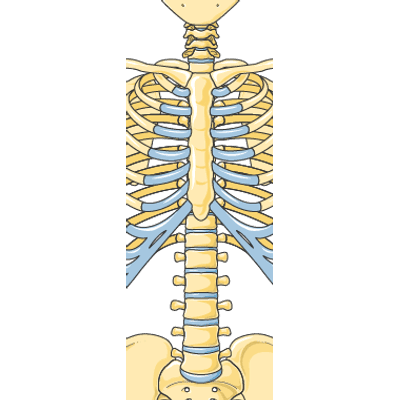
Physiotherapy for lower back pain in Bengaluru, from desk-related stiffness to lifting strains, with exercise-led care at our clinic or on a home visit.
 Orthopedic
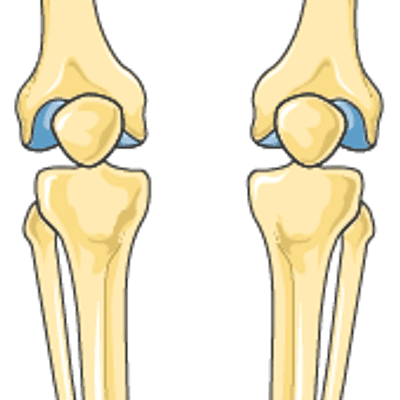
Knee pain physiotherapy in Bengaluru for front-of-knee pain, overuse strain and age-related stiffness, with care at our Akshayanagar clinic or at home.
 Post-Hospital Physiotherapy in BTM Layout: Family Questions
 Back Pain Physiotherapy in BTM Layout: Family Questions Answered
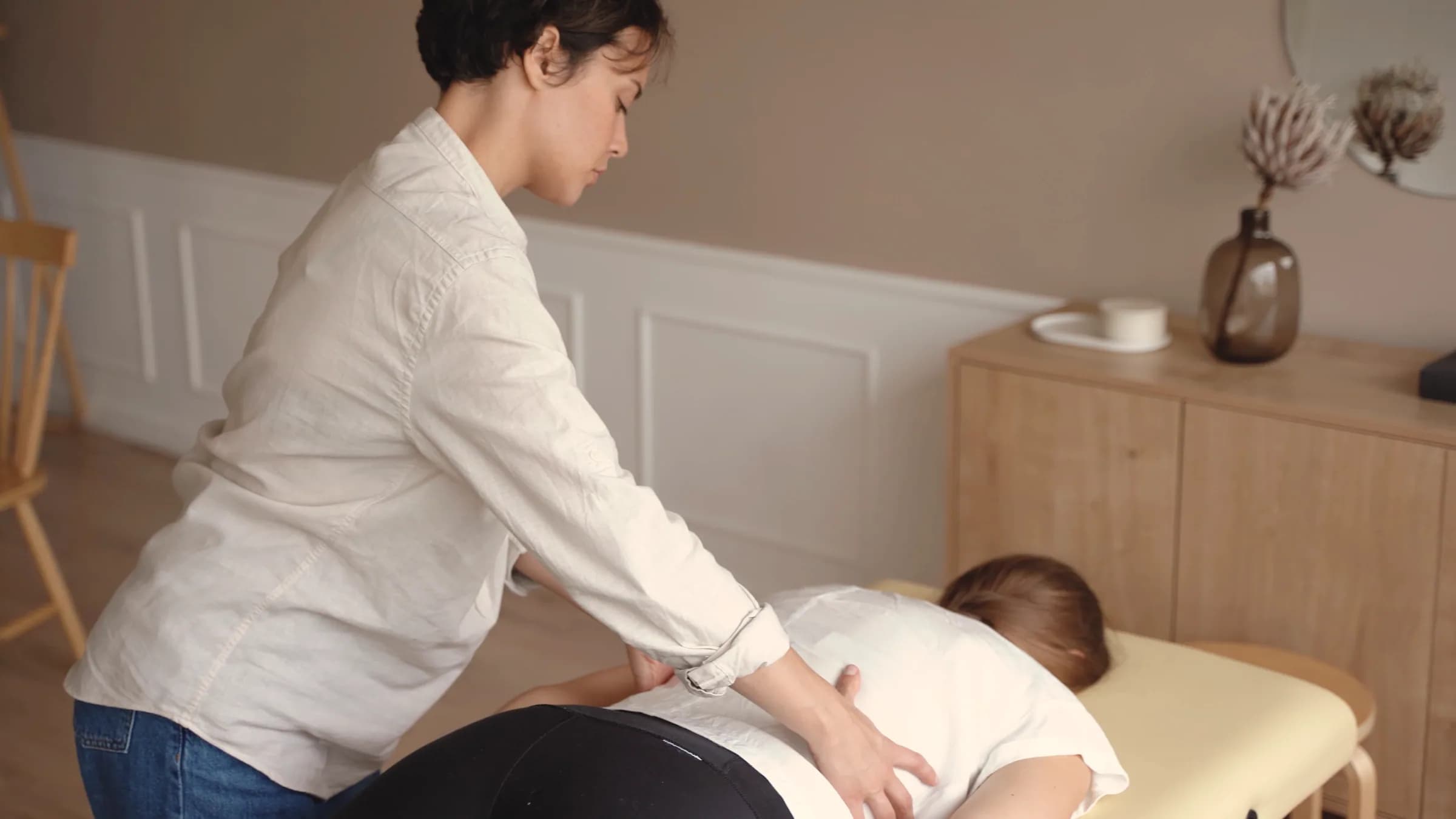 Back pain physiotherapy for BTM Layout
 Post-Hospital Physiotherapy Red Flags in BTM Layout
 Myofascial Release in HSR Layout: Questions Families Ask
 Fall Prevention in HSR Layout: Questions Families Ask First
Reviewed By
Content reviewed by Dr. David S Bhaktharaj PT (BPT, MIAP), Lead Physiotherapist.
This page is for patient education and appointment planning. It does not replace diagnosis, emergency care, or advice from a treating physician. Read the full medical disclaimer.