



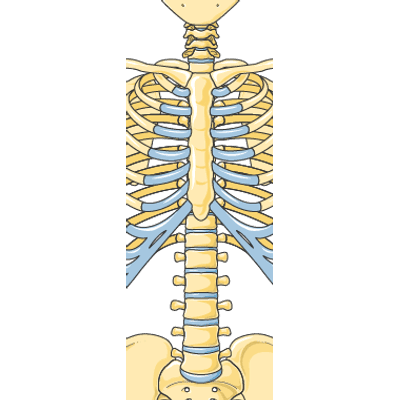
 Orthopedic
Back Pain Physiotherapy
Physiotherapy for lower back pain in Bengaluru, from desk-related stiffness to lifting strains, with exercise-led care at our clinic or on a home visit.
Conditions
Each condition has its own assessment pathway and recovery plan.
Locations
Our clinic is in Akshayanagar, and we visit patients at home in nearby areas.
Clinic
Who you will see, how treatment goes, and how to get in touch.
Patients
Articles and exercise guides for reading up before or between visits.
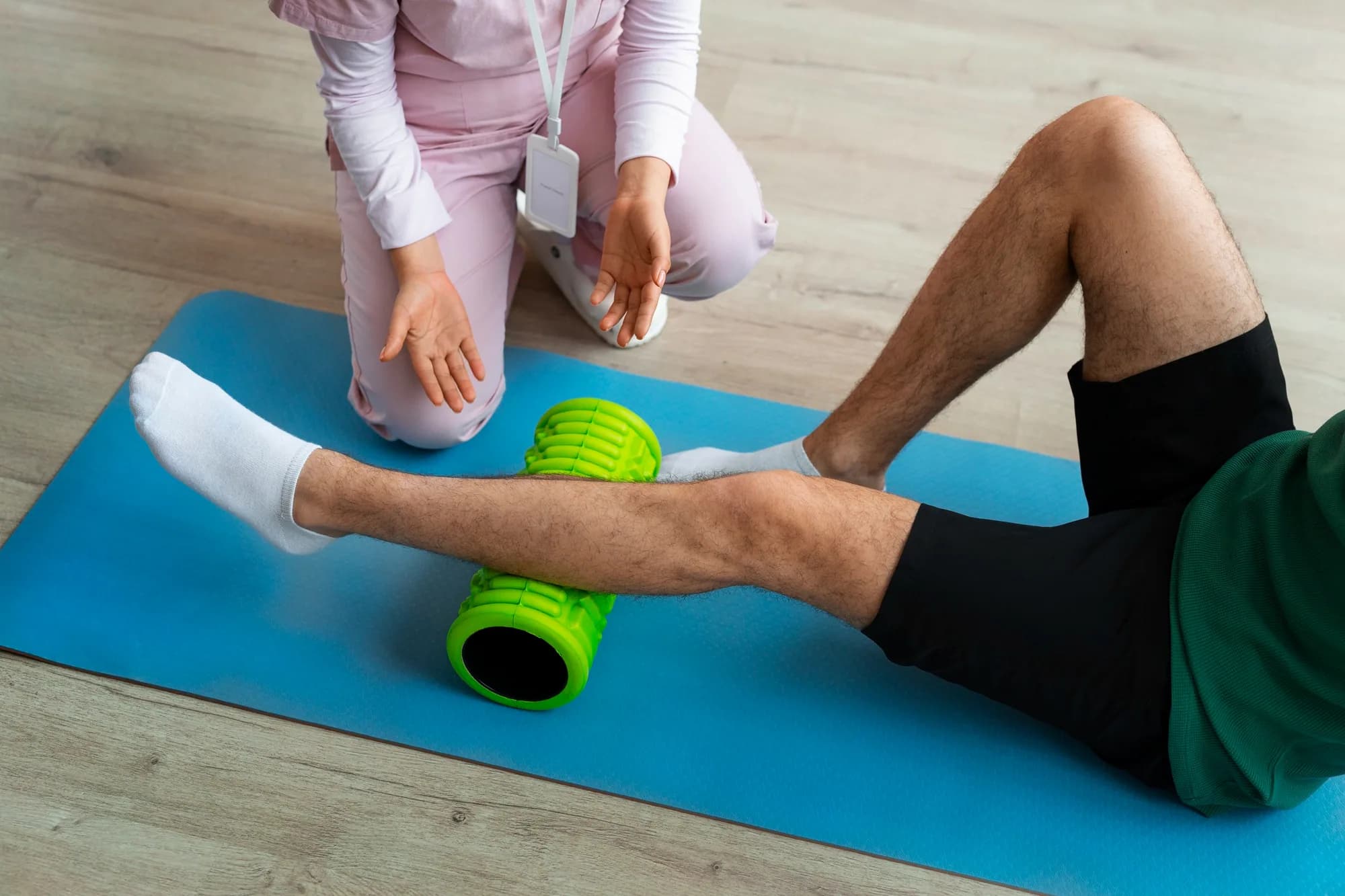
Post-fracture rehabilitation in Bengaluru to ease stiffness, rebuild strength and progress weight-bearing once your doctor allows, at our clinic or at home.
When a plaster comes off or a fracture has been fixed, many people expect to pick up where they left off. Instead, the joint feels stiff, the muscles look thinner, the limb swells by evening and putting weight through it feels uncertain. This is common. The bone may be healing well, but the surrounding tissues need rehabilitation to work normally again.
Our physiotherapists help people through this stage once the orthopaedic doctor has allowed movement, following their instructions on weight-bearing and restrictions. We see patients at the Akshayanagar clinic and at home across South and South-East Bengaluru, which helps when crutches, a walker or a stiff, painful limb make the journey difficult.
Many adult fractures take roughly six to twelve weeks to unite, depending on the bone, the type of break and the person's age and health, but full strength and movement often take longer. During immobilisation, nearby joints stiffen, muscles waste and balance suffers, particularly after leg fractures. Rehabilitation begins when the doctor confirms, usually with an X-ray, that the bone can accept movement or load. It then restores joint range, rebuilds strength and progresses weight-bearing step by step, from partial loading towards full use.
Once the bone can tolerate movement, physiotherapy restores what immobilisation took away. Graded exercises bring back range in stiff joints, and progressive strengthening rebuilds the muscles that protect and support the limb. For leg fractures, the physiotherapist guides each stage of weight-bearing so that you load the bone as your doctor allows, neither too cautiously nor too quickly, while working towards an even walking pattern.
Recovery is also about trust. After a fracture, many people guard the limb and move awkwardly, which can cause strain in the back, the other leg or the shoulder. Practising walking, stairs, gripping and lifting in a structured way rebuilds confidence and a more normal movement pattern. For older adults, balance and strength work also helps reduce the risk of another fall and another fracture.
If you are on crutches or a walker, or recovering from a hip fracture, home visits usually make the early weeks easier and safer. Clinic sessions at Akshayanagar suit people with wrist, arm or shoulder fractures who can travel comfortably, and anyone ready for more progressive strengthening. We see patients from Begur, Hulimavu, BTM Layout and Electronic City in both settings, and the choice can change over time.
Joints kept still for weeks lose their normal glide, and the surrounding muscles and soft tissues tighten. This is expected and usually improves with regular, graded exercise. Early, gentle movement within your doctor's guidance tends to help more than occasional forceful stretching, which can increase pain and swelling.
Partial weight-bearing means placing only part of your body weight on the injured leg, with crutches or a walker taking the rest. Full weight-bearing means you can put your whole weight on it. Your doctor decides the level, and the physiotherapist shows you how to walk correctly at each stage.
If you are over fifty, or the fracture happened in a simple fall from standing height, it is sensible to ask your doctor about bone health, as such fractures can be a sign of osteoporosis. Alongside medical treatment, strength and balance training can help reduce the risk of future falls.
Start with an assessment at the clinic or at home. A session at the clinic is ₹800, and care packs of 5, 10 or 20 sessions bring it down to ₹600 a session.
What the first assessment covers
The home-visit fee depends on where you are, so ask us when you book.
Physiotherapy for the healed area usually starts once the doctor confirms the bone can accept movement, often when a cast is removed or soon after surgical fixation. Before that, you can often exercise nearby joints that are not immobilised.
ASA Physiotherapy provides post-fracture rehabilitation at its Akshayanagar clinic and through home visits in nearby South and South-East areas of the city. Treatment follows your orthopaedic doctor's instructions on weight-bearing and focuses on stiffness, strength and walking.
Many people walk without aids within a few months of an ankle fracture, but a slight limp, stiffness or evening swelling can last longer. Timelines depend on the fracture, any surgery and the weight-bearing plan. Regular rehabilitation usually helps the ankle regain movement and strength.
Yes, mild swelling is common for several weeks after a cast comes off, especially after activity or at the end of the day. Raising the limb and gentle exercise often help. Sudden or severe swelling, a hot and painful calf, or colour changes need prompt medical review.
At the clinic in Akshayanagar, or at home in these areas.
OrthopedicPhysiotherapy for lower back pain in Bengaluru, from desk-related stiffness to lifting strains, with exercise-led care at our clinic or on a home visit.
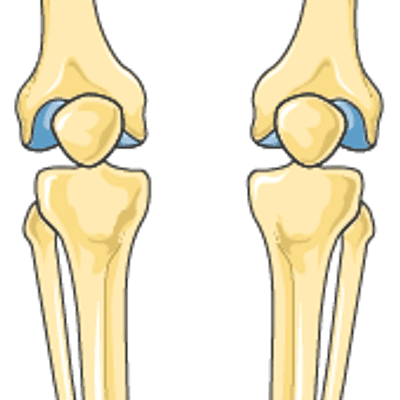 Orthopedic
Knee pain physiotherapy in Bengaluru for front-of-knee pain, overuse strain and age-related stiffness, with care at our Akshayanagar clinic or at home.
 Orthopedic
Shoulder pain physiotherapy in Bengaluru for rotator cuff and impingement-type pain, with guided strengthening at our Akshayanagar clinic or at home.
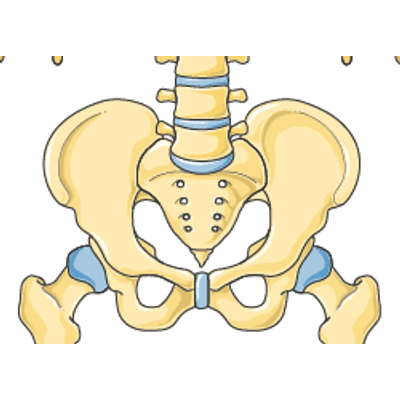 Orthopedic
Hip pain physiotherapy in Bengaluru for tendon, joint and referred pain, with a clear diagnosis and non-surgical plan at our clinic or on a home visit.
 Orthopedic
Ankle sprain physiotherapy in Bengaluru with balance retraining and strength work to help prevent repeat sprains, at our clinic or through home visits.
 Post-Surgery Physiotherapy Costs: Financial Planning Guide
 Post-Surgery Recovery Symptoms: What Stiffness and Pain Mean
 Post-Fracture Rehab: Signs That Need Urgent Medical Review
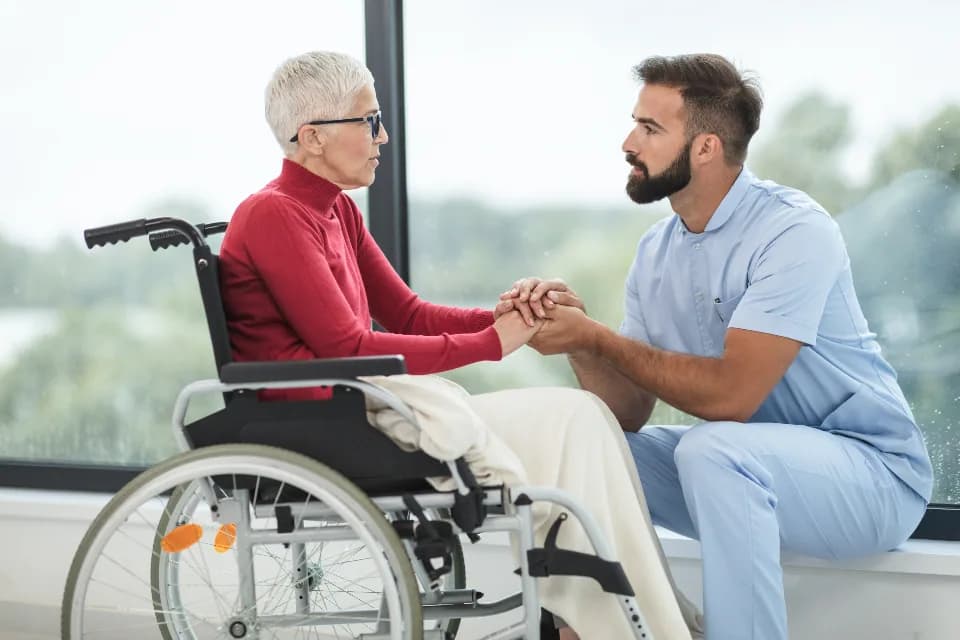 Post-Surgery Recovery FAQs: Your Guide to Rehabilitation
 Post-Op Rehab in JP Nagar: Key Questions Families Ask
 Post-Surgery Recovery Timeline: Key Stages of Rehabilitation
Medically Reviewed
This page was reviewed by Dr. David S Bhaktharaj PT, Lead Physiotherapist (BPT, MIAP).
This page is for patient education and appointment planning. It does not replace diagnosis, emergency care, or advice from a treating physician. Read the full medical disclaimer.