



 Orthopedic
Back Pain Physiotherapy
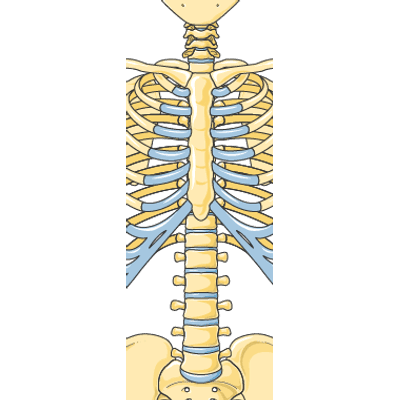
Physiotherapy for lower back pain in Bengaluru, from desk-related stiffness to lifting strains, with exercise-led care at our clinic or on a home visit.
Conditions
Each condition has its own assessment pathway and recovery plan.
Locations
Our clinic is in Akshayanagar, and we visit patients at home in nearby areas.
Clinic
Who you will see, how treatment goes, and how to get in touch.
Patients
Articles and exercise guides for reading up before or between visits.

Plantar fasciitis physiotherapy in Bengaluru for heel and first-step pain, with footwear advice and calf and foot loading at our clinic or on a home visit.
If your first steps out of bed feel like walking on a bruise, plantar fasciitis is a likely cause. The pain usually sits under the heel, eases a little once you get moving, then returns after sitting or a long day on your feet. It is one of the most common causes of heel pain in adults.
Our physiotherapists help people across Bengaluru manage heel pain, from Begur and Gottigere to Kalena Agrahara. Treatment combines footwear guidance, calf and foot strengthening, and changes to daily standing and walking habits. You can see us at our Akshayanagar clinic, or we can come to you when walking itself is the problem.
The plantar fascia is a thick band of tissue running from the heel bone to the base of the toes, supporting the arch as you stand and push off. When it is loaded more than it can tolerate, the area where it attaches to the heel becomes painful and sensitive. Because overload matters more than inflammation, many clinicians now call it plantar heel pain. Tight calves, sudden increases in standing or walking, and unsupportive footwear are frequent contributors. Many people improve within six to twelve months with conservative care.
Physiotherapy looks at the whole picture behind heel pain: how long you stand, what you wear, how your calf and ankle move, and how quickly your activity has changed. The physiotherapist uses this to reduce load on the plantar fascia in practical ways, such as footwear changes, taping and pacing, so that first-step pain begins to settle over the following weeks.
Treatment then gradually builds the capacity of the foot and calf. Calf stretches, plantar fascia stretches and progressive heel-raise exercises help the irritated tissue tolerate walking and standing again, while strengthening the small muscles of the foot supports the arch. Over weeks, many people find they can stand longer, walk further and get out of bed without dreading the first steps.
A clinic session suits most people with plantar fasciitis, since the physiotherapist can watch you walk, test calf strength and try taping or step-based exercises. A home visit can be more practical when heel pain makes travelling difficult, or for older adults who are mostly at home. It also shows the physiotherapist the floors and footwear you use daily.
Not necessarily. Heel spurs often show up on X-rays in people with no heel pain at all, and many people with plantar fasciitis have no spur. Treatment is guided by your symptoms and examination rather than the spur, and most people improve with conservative care.
Some people benefit from arch support or heel cushioning, particularly if they stand for long periods. Off-the-shelf options are often enough, and custom insoles are not always needed. The physiotherapist looks at your feet, footwear and activity before suggesting whether insoles are worth trying.
It varies. Some people improve within weeks, while longer-standing cases can take several months, and occasionally longer. Most people see steady progress with consistent stretching, strengthening and footwear changes. Starting treatment early, before the pain changes how you walk, often helps recovery.
Start with an assessment at the clinic or at home. A session at the clinic is ₹800, and care packs of 5, 10 or 20 sessions bring it down to ₹600 a session.
What the first assessment covers
The home-visit fee depends on where you are, so ask us when you book.
Overnight, the plantar fascia and calf rest in a shortened position. When you take your first steps, the tissue is suddenly stretched and loaded, which commonly causes sharp heel pain that eases as you move. Gentle stretches before standing often help.
Shoes with a cushioned heel, some arch support and a slightly raised heel usually feel best. Avoid very flat, thin or worn-out soles. Wearing supportive footwear indoors, rather than walking barefoot on hard floors, often makes a noticeable difference.
Yes. ASA Physiotherapy offers home visits in nearby areas including Begur, Gottigere, Hulimavu and Kalena Agrahara, as well as sessions at its Akshayanagar clinic. A home visit can help when heel pain makes walking or travelling difficult.
Walking is usually fine in moderate amounts, particularly in supportive footwear. The aim is to stay active without large jumps in distance or long spells of standing. If walking makes pain much worse the next morning, reduce the load for a while.
At the clinic in Akshayanagar, or at home in these areas.
OrthopedicPhysiotherapy for lower back pain in Bengaluru, from desk-related stiffness to lifting strains, with exercise-led care at our clinic or on a home visit.
 Orthopedic
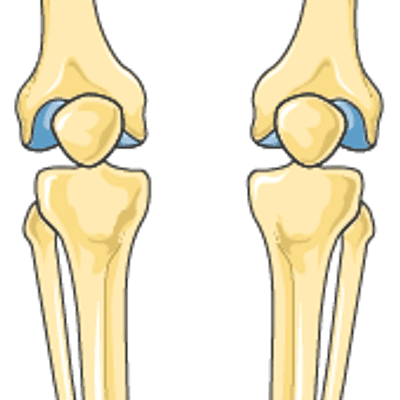
Knee pain physiotherapy in Bengaluru for front-of-knee pain, overuse strain and age-related stiffness, with care at our Akshayanagar clinic or at home.
 Orthopedic
Shoulder pain physiotherapy in Bengaluru for rotator cuff and impingement-type pain, with guided strengthening at our Akshayanagar clinic or at home.
 Orthopedic
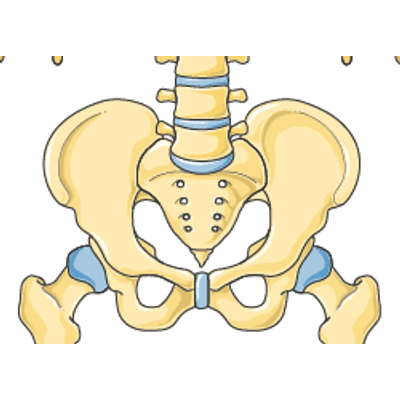
Hip pain physiotherapy in Bengaluru for tendon, joint and referred pain, with a clear diagnosis and non-surgical plan at our clinic or on a home visit.
 Orthopedic
Ankle sprain physiotherapy in Bengaluru with balance retraining and strength work to help prevent repeat sprains, at our clinic or through home visits.
 Plantar Fasciitis in Devarachikkanahalli: Family Questions
 Heel Pain Red Flags: When to Seek Urgent Medical Care
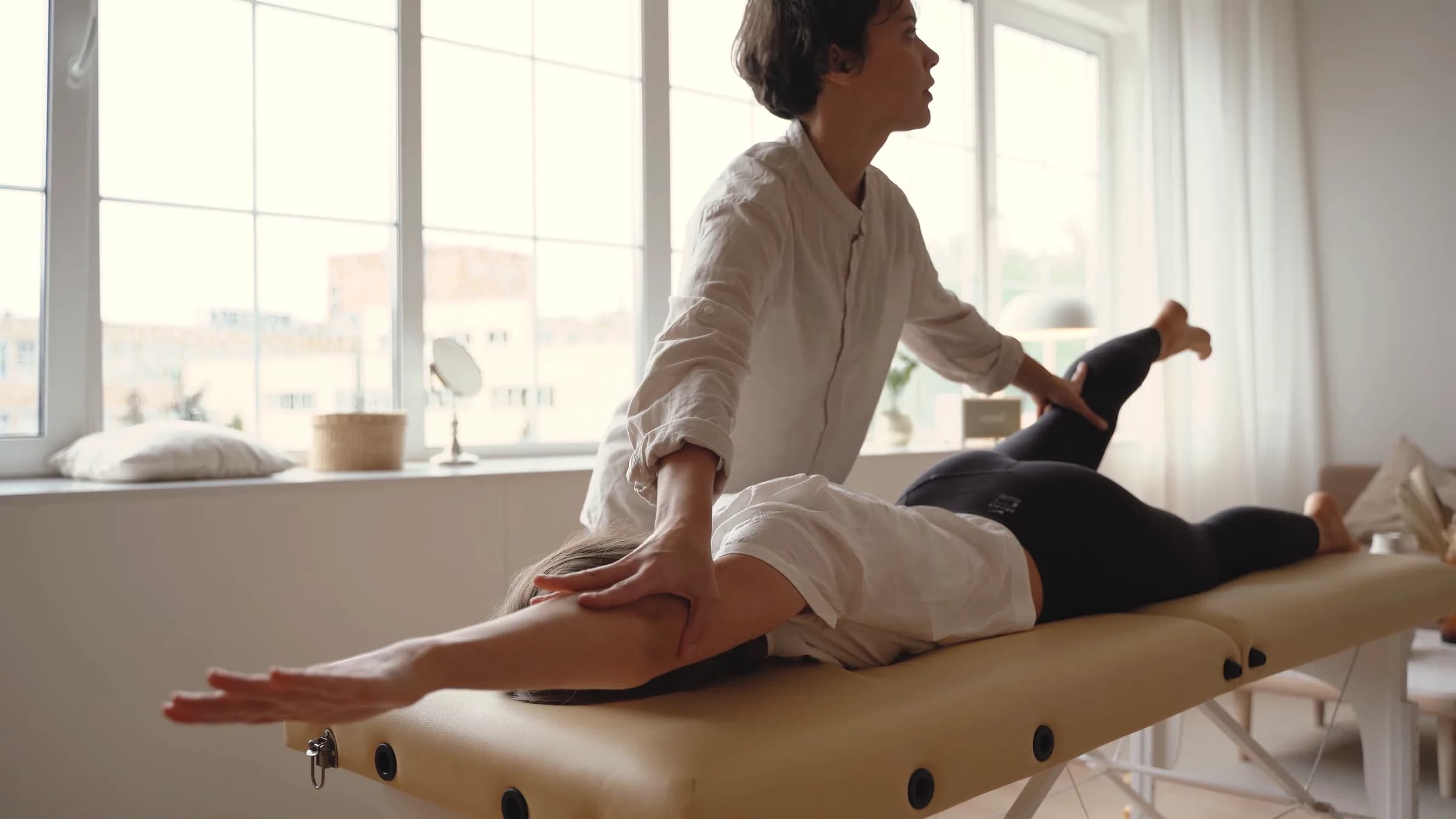 Plantar fasciitis and heel pain treatment in AkshayanagarHeel pain that is worst on your first steps: plantar fasciitis explained
 Shoulder Pain Physiotherapy in Hulimavu: Clinic vs Home Visit
 Affordable Ankle Ligament Injury Care in Bangalore: Rehab Guide
Medically Reviewed
This page was reviewed by Dr. David S Bhaktharaj PT, Lead Physiotherapist (BPT, MIAP).
This page is for patient education and appointment planning. It does not replace diagnosis, emergency care, or advice from a treating physician. Read the full medical disclaimer.