



 Geriatric
Fall Prevention Therapy
Fall prevention therapy in Bengaluru with fall risk assessment, strength and balance training and a home hazard review, at our clinic or during home visits.
Conditions
Each condition has its own assessment pathway and recovery plan.
Locations
Our clinic is in Akshayanagar, and we visit patients at home in nearby areas.
Clinic
Who you will see, how treatment goes, and how to get in touch.
Patients
Articles and exercise guides for reading up before or between visits.
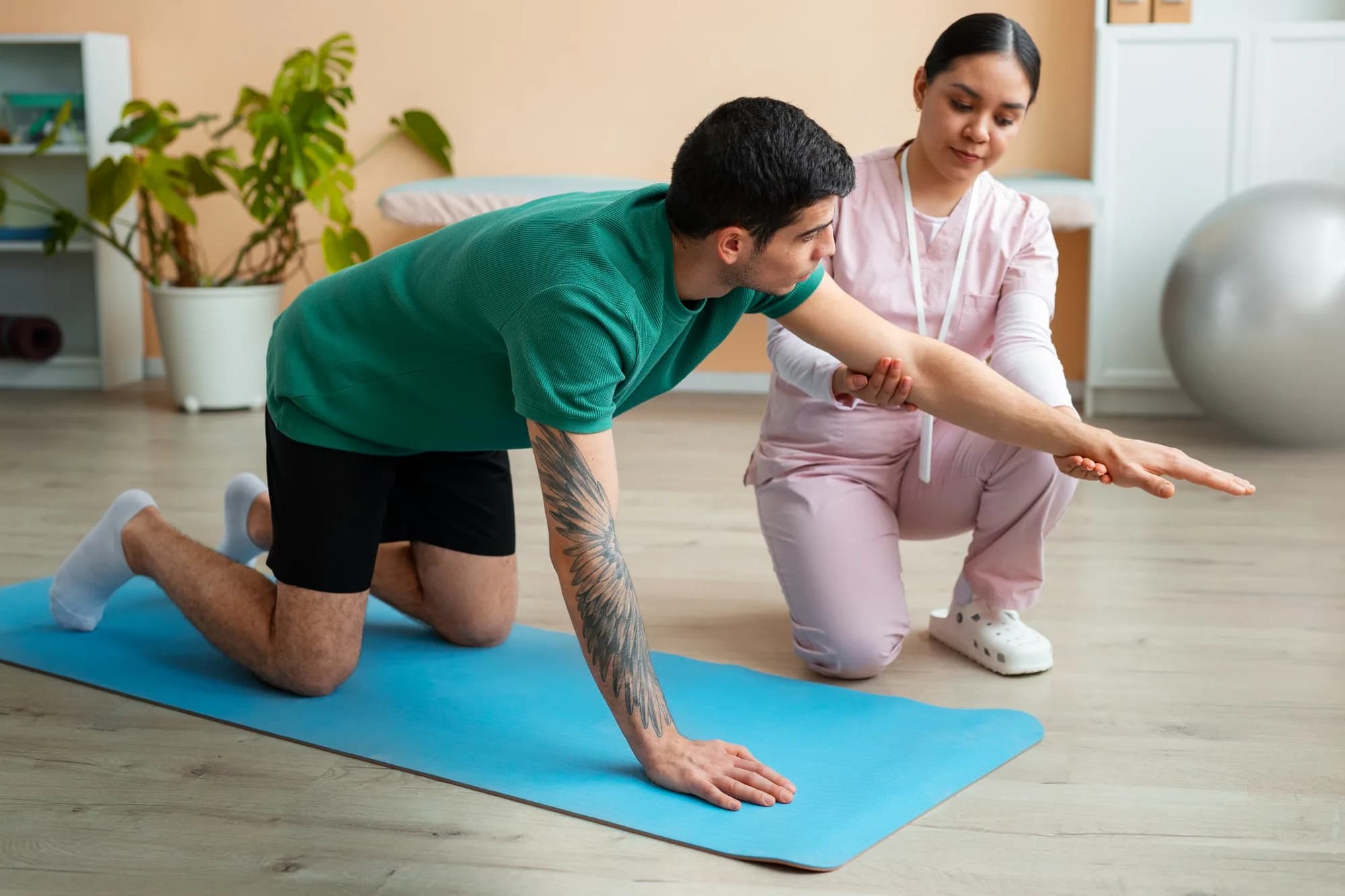
Joint stiffness treatment in Bengaluru for stiffness from age, inactivity or arthritis, with range-of-motion work at our Akshayanagar clinic or at home.
Stiff joints make ordinary moments harder: bending the knees first thing in the morning, turning to look over your shoulder, gripping a jar lid or getting up after a film. Stiffness is common with age, long periods of inactivity and arthritis, and it often builds so slowly that people adjust without noticing how much movement they have lost.
Physiotherapy uses gentle, regular movement to restore range and ease stiffness. Our physiotherapists see patients at the Akshayanagar clinic and at home in nearby areas such as Hongasandra, BTM Layout and Arekere, with a plan built around the joints that trouble you most.
Joints stay supple through movement. Motion helps circulate the fluid that nourishes cartilage, and it keeps the joint capsule and surrounding muscles at their full length. With age, arthritis or simple inactivity, cartilage may thin, the capsule tightens and muscles shorten, so the joint moves through a smaller range. In osteoarthritis, stiffness is usually worst after rest and eases within half an hour of moving. Stiffness that lasts much longer in the morning, especially with swelling in several joints, may point to an inflammatory arthritis that needs medical assessment.
Physiotherapy restores movement gradually and safely. Hands-on mobilisation can ease a tight joint, while guided exercises move it through its available range and slowly extend it. Because stiffness often returns if movement stops, the physiotherapist teaches a routine you can continue at home, fitted around your mornings and daily activities.
Strengthening is equally important. Strong muscles absorb load and support the joint, which often reduces pain and makes movement feel easier. For people with arthritis, physiotherapy works alongside medical treatment, helping them stay active while their doctor manages the underlying condition.
Clinic sessions suit people who can travel and want to work on range, strength and specific activities such as squatting, kneeling or returning to sport. A home visit may be more practical for older adults with stiffness in several joints, for anyone whose stiffness makes getting in and out of a vehicle difficult, or when the aim is easing morning routines at home. Many people across Bengaluru with long-term arthritis combine both.
During sleep, joints stay still for hours and the fluid inside them circulates less. This causes a temporary stiffness, sometimes called gelling, that usually eases as you start moving. Gentle movement in bed before getting up, followed by a warm shower, often helps.
For most stiff joints, gentle movement is better than rest. Regular, comfortable range-of-motion exercise keeps joints supple and muscles strong. Short rests are fine during a painful flare, but long periods of inactivity usually make stiffness worse. Sharp or increasing pain should be checked.
Heat usually suits long-standing stiffness, as it relaxes muscles and makes movement easier. A cold pack may help more when a joint is swollen or has flared after activity. Avoid placing either directly on the skin, and take extra care if you have reduced sensation, such as from diabetes.
Start with an assessment at the clinic or at home. A session at the clinic is ₹800, and care packs of 5, 10 or 20 sessions bring it down to ₹600 a session.
What the first assessment covers
The home-visit fee depends on where you are, so ask us when you book.
In osteoarthritis, morning stiffness usually lasts less than half an hour and eases with movement. Stiffness that lasts over an hour, particularly with swelling in several joints, is more typical of inflammatory arthritis and should be assessed by a doctor.
Helpful exercises include heel slides, gentle knee bending and straightening while seated, stationary cycling and thigh-strengthening work. They work best when done regularly within a comfortable range. A physiotherapist can check your knee and adjust the exercises to suit your stiffness and strength.
Yes. Physiotherapy often improves range, strength and daily function in people with arthritis. It cannot reverse joint changes, but regular exercise and hands-on treatment frequently reduce stiffness and pain. For inflammatory arthritis, it works alongside the medicines prescribed by your doctor.
ASA Physiotherapy treats joint stiffness at its Akshayanagar clinic and through home visits in nearby areas, including BTM Layout, Arekere and Hongasandra. Home visits can help older adults whose stiffness makes travelling uncomfortable.
At the clinic in Akshayanagar, or at home in these areas.
GeriatricFall prevention therapy in Bengaluru with fall risk assessment, strength and balance training and a home hazard review, at our clinic or during home visits.
GeriatricMobility improvement therapy in Bengaluru to make getting up, climbing stairs and reaching easier again, through clinic sessions in Akshayanagar or home visits.
GeriatricPhysiotherapy in Bengaluru for walking difficulty, looking at the cause, the right walking aid and building stamina, at our Akshayanagar clinic or at home.
Core ServicesPhysiotherapy clinic in Akshayanagar, Bengaluru for careful assessment, hands-on treatment and guided exercise, with home visits for those unable to travel.
Core ServicesHome physiotherapy in Bengaluru for people who find travel hard, with assessment, exercise and family guidance at home, plus clinic visits in Akshayanagar.
 Walking Difficulty Physiotherapy in Akshayanagar: Family Guide
 Mobility Improvement Therapy in Hulimavu: Family Questions
 Joint Stiffness Treatment in Bengaluru: Family Questions
 Fall Prevention in HSR Layout: Questions Families Ask First
 Walking Difficulty: When Symptoms Need Urgent Medical Care
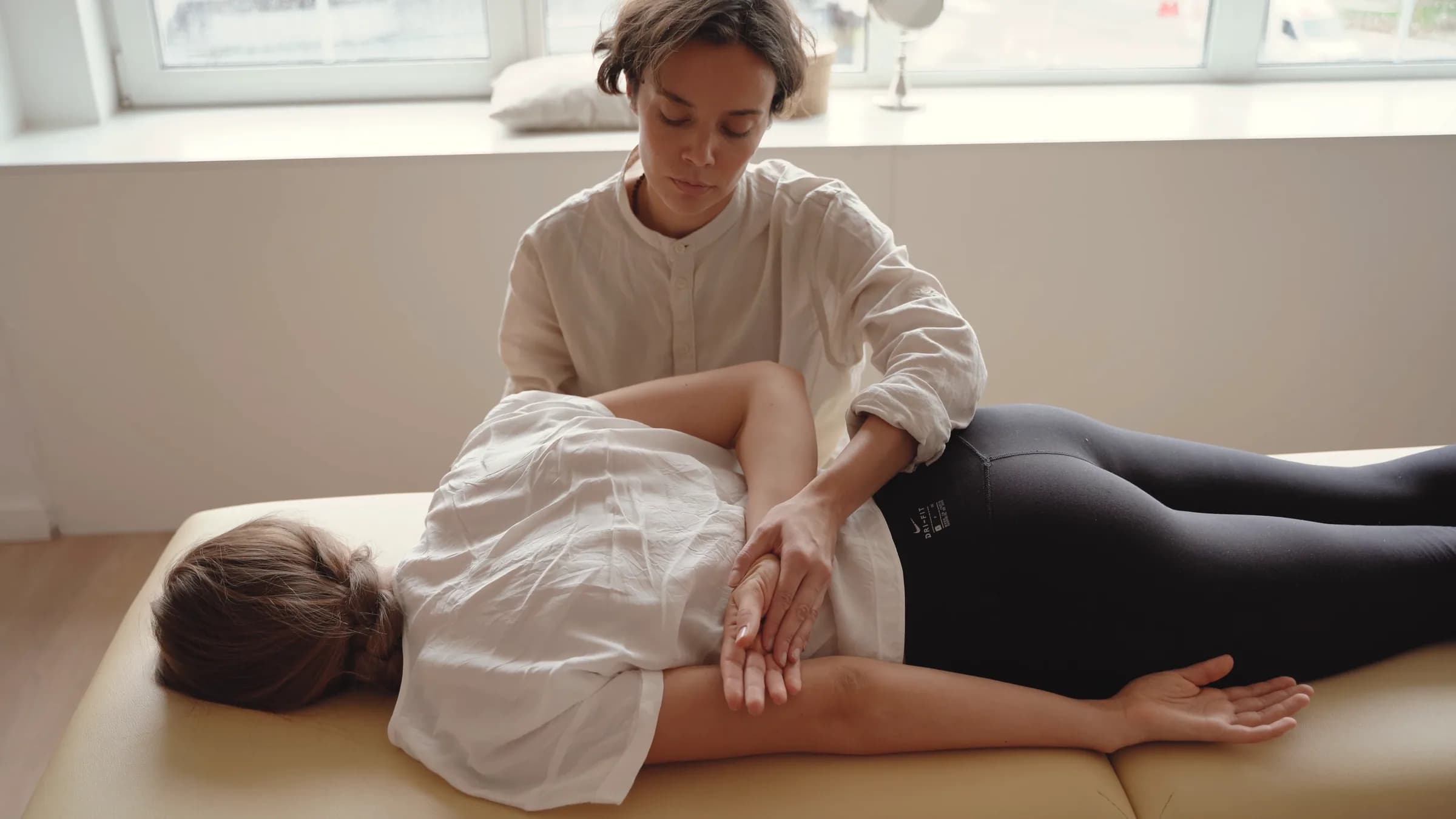 Frozen shoulder physiotherapy for JP Nagar
Medically Reviewed
This page was reviewed by Dr. David S Bhaktharaj PT, Lead Physiotherapist (BPT, MIAP).
This page is for patient education and appointment planning. It does not replace diagnosis, emergency care, or advice from a treating physician. Read the full medical disclaimer.