



 Orthopedic
Back Pain Physiotherapy
Physiotherapy for lower back pain in Bengaluru, from desk-related stiffness to lifting strains, with exercise-led care at our clinic or on a home visit.
Conditions
Each condition has its own assessment pathway and recovery plan.
Locations
Our clinic is in Akshayanagar, and we visit patients at home in nearby areas.
Clinic
Who you will see, how treatment goes, and how to get in touch.
Patients
Articles and exercise guides for reading up before or between visits.
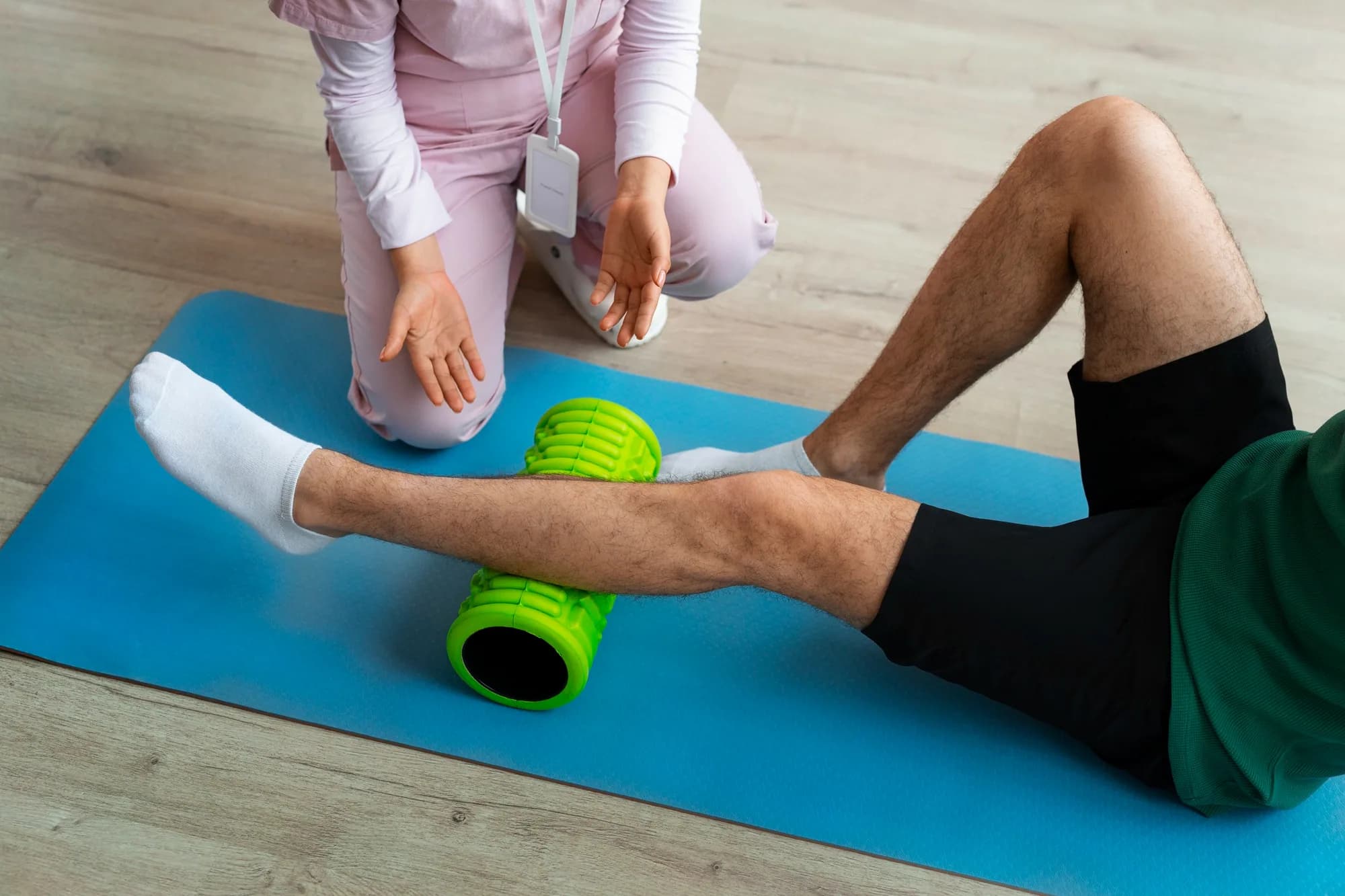
Hip replacement rehabilitation in Bengaluru that follows your surgeon's precautions and builds safe walking step by step, at our clinic or on home visits.
A hip replacement often brings quick relief from the deep, grinding pain that came before it, but the muscles and habits around the hip take longer to recover. How you walk, sit, sleep and get in and out of bed in the first weeks matters, both for comfort and for protecting the new joint while the tissues heal.
Our physiotherapists guide recovery after total hip replacement, and after partial replacement following a fracture, for families across Bengaluru, including Bannerghatta Road, Arekere and Hulimavu. Every plan follows the precautions your surgeon has set. Sessions can begin at home soon after discharge and move to our Akshayanagar clinic as walking improves.
In a total hip replacement, the worn ball and socket are replaced with artificial parts; in a partial replacement, usually after a fracture, only the ball is replaced. The surgical approach affects which movements need care early on. Some surgeons advise avoiding deep bending, crossing the legs or turning the leg inwards for several weeks, while others set fewer limits. Recovery moves from protected walking with an aid, to rebuilding the hip muscles that keep the pelvis level, to longer walks and normal activity.
Physiotherapy after hip replacement is about moving well within safe limits. In the early weeks, the physiotherapist teaches you to get out of bed, sit, stand, use the toilet and dress without breaking your precautions. This eases anxiety for patients and families, and keeps you active enough to limit stiffness, chest problems and the risk of blood clots.
Walking runs through the whole recovery. The physiotherapist decides when you are ready to move from a walker to crutches, then a stick, then no aid, based on how evenly and steadily you walk rather than a fixed date. Strengthening the gluteal muscles is central, because they keep the pelvis level and reduce the side-to-side lurch many patients notice.
Home visits usually suit the first weeks after discharge, when car journeys are awkward with hip precautions and the physiotherapist can check that your bed, chair, toilet and bathroom are set up safely. This matters most for older adults after a hip fracture. Once you walk confidently and are cleared to travel, clinic sessions in Akshayanagar offer more room for walking practice and strengthening.
Hip precautions are movement limits that protect the new joint while tissues heal. Depending on the surgical approach, they may include avoiding deep bending, crossing the legs or turning the leg inwards. They commonly apply for six weeks to three months, but always follow your surgeon's specific instructions.
A limp after hip replacement usually comes from weak buttock muscles that hold the pelvis level, and sometimes from habits formed during years of pain. Targeted strengthening and walking practice, often with a stick in the opposite hand for a while, usually improve it over several weeks.
Often, yes. Hip fracture surgery is unplanned, and many patients are older, with less strength and balance beforehand. Recovery may be slower, and preventing further falls becomes a major focus. Rehabilitation aims to restore safe walking and independence at home, with family members shown how to help.
Start with an assessment at the clinic or at home. A session at the clinic is ₹800, and care packs of 5, 10 or 20 sessions bring it down to ₹600 a session.
What the first assessment covers
The home-visit fee depends on where you are, so ask us when you book.
Most people stand and take a few steps with a walker within a day or so of surgery, guided by the hospital team. Walking distance then builds over the following weeks, and many move to a stick within a few weeks, depending on their surgeon's advice.
Sitting cross-legged or on the floor involves deep bending and rotation that many surgeons restrict early after hip replacement. Some people return to it later with their surgeon's approval, while others are advised to avoid it long term. Always check with your surgeon first.
Yes. ASA Physiotherapy offers home visits after hip replacement in areas near its Akshayanagar clinic, including Bannerghatta Road, Arekere, Hulimavu and Bilekahalli. Home sessions help with safe transfers, precautions and early walking before you are ready to travel to the clinic.
Early exercises usually include ankle pumps, buttock and thigh tightening, heel slides and gentle hip movements within your precautions. These progress to standing hip exercises, step-ups and balance work. The right programme depends on your surgery, so follow the plan from your physiotherapist and surgeon.
At the clinic in Akshayanagar, or at home in these areas.
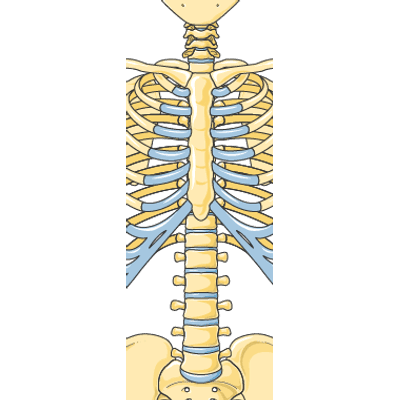
OrthopedicPhysiotherapy for lower back pain in Bengaluru, from desk-related stiffness to lifting strains, with exercise-led care at our clinic or on a home visit.
 Orthopedic
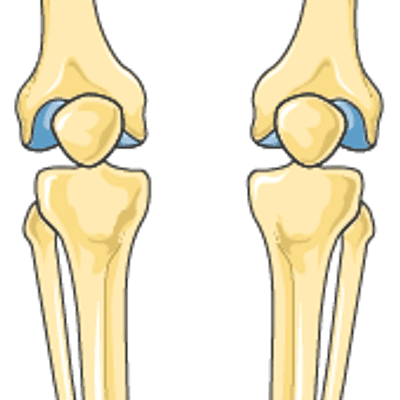
Knee pain physiotherapy in Bengaluru for front-of-knee pain, overuse strain and age-related stiffness, with care at our Akshayanagar clinic or at home.
 Orthopedic
Shoulder pain physiotherapy in Bengaluru for rotator cuff and impingement-type pain, with guided strengthening at our Akshayanagar clinic or at home.
 Orthopedic
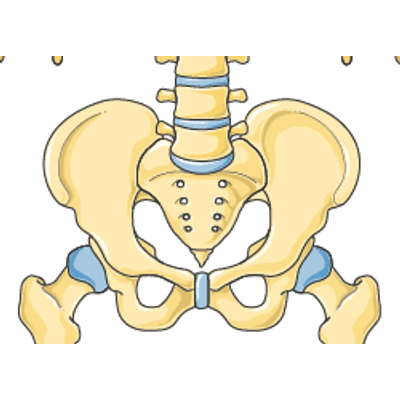
Hip pain physiotherapy in Bengaluru for tendon, joint and referred pain, with a clear diagnosis and non-surgical plan at our clinic or on a home visit.
 Orthopedic
Ankle sprain physiotherapy in Bengaluru with balance retraining and strength work to help prevent repeat sprains, at our clinic or through home visits.
 Hip Replacement Rehab in Gottigere: Questions Families Ask
 Stroke Rehabilitation FAQs: Recovery and Physiotherapy
 Knee replacement rehabilitation in Akshayanagar
 After a knee replacement: what the first 12 weeks should look like
 Hip Pain Physiotherapy in Bannerghatta Road: Family FAQs
 Spine Rehabilitation in HSR Layout: Urgent Red Flags
Medically Reviewed
This page was reviewed by Dr. David S Bhaktharaj PT, Lead Physiotherapist (BPT, MIAP).
This page is for patient education and appointment planning. It does not replace diagnosis, emergency care, or advice from a treating physician. Read the full medical disclaimer.