



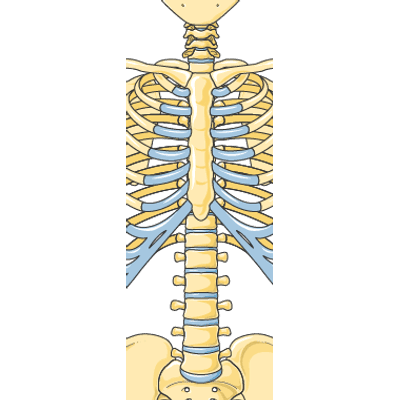
 Orthopedic
Back Pain Physiotherapy
Physiotherapy for lower back pain in Bengaluru, from desk-related stiffness to lifting strains, with exercise-led care at our clinic or on a home visit.
Conditions
Each condition has its own assessment pathway and recovery plan.
Locations
Our clinic is in Akshayanagar, and we visit patients at home in nearby areas.
Clinic
Who you will see, how treatment goes, and how to get in touch.
Patients
Articles and exercise guides for reading up before or between visits.
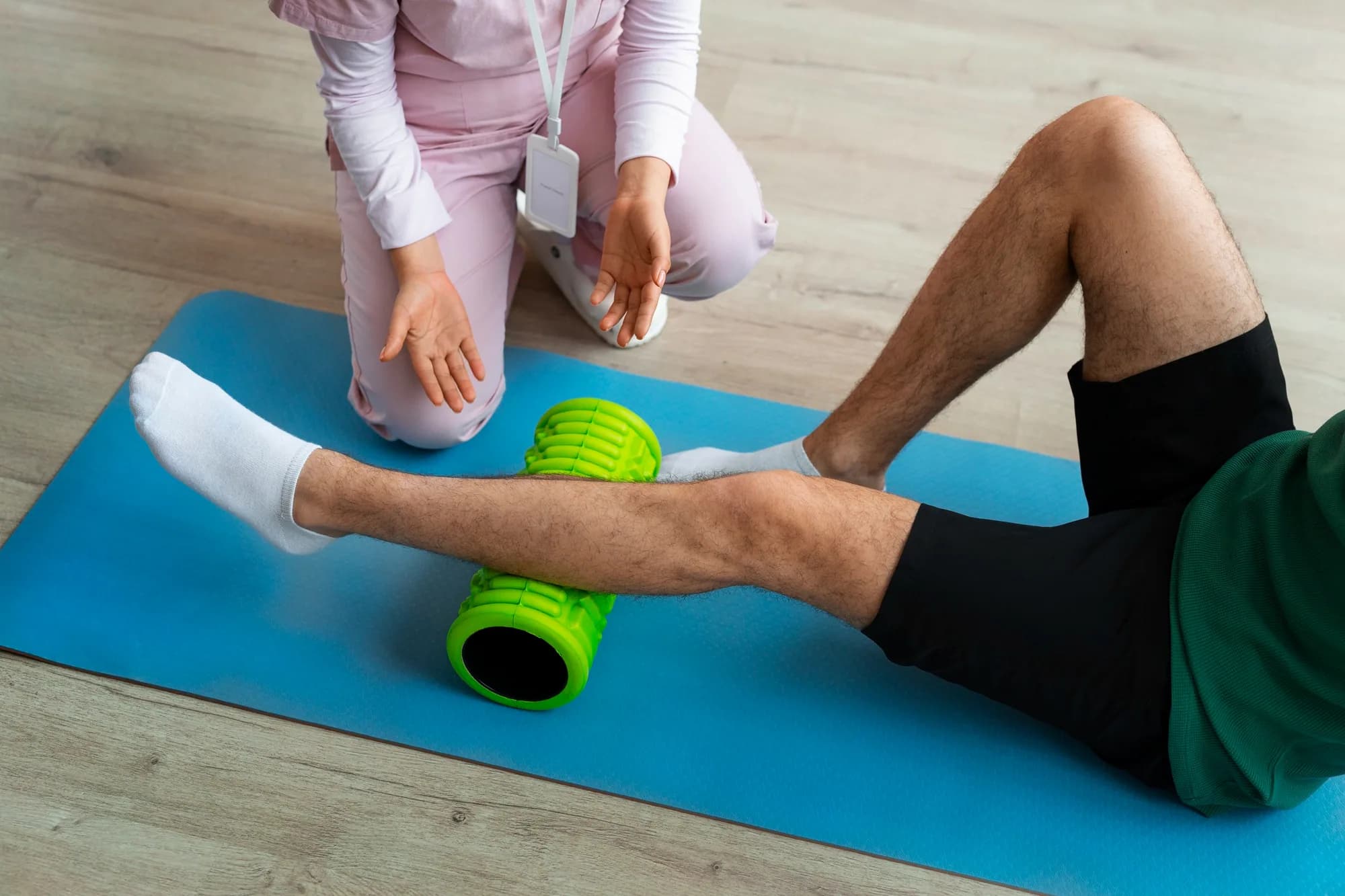
Knee replacement rehabilitation in Bengaluru, focused on bending, straightening and walking goals after surgery, at our clinic or through home visits.
The weeks after a knee replacement shape how well the new joint serves you. Surgery replaces the worn surfaces, but rehabilitation is what restores the knee's ability to bend, straighten fully and carry you comfortably. Progress comes from steady daily work, and a clear plan for each stage makes it far less daunting for patients and their families.
Our physiotherapists support people recovering from total knee replacement across Bengaluru, including Hulimavu, Gottigere and Kalena Agrahara. Many begin with home visits in the early weeks, when travel is tiring and the knee is still swollen, then move to our Akshayanagar clinic as walking improves. We follow your surgeon's protocol and precautions throughout.
In a total knee replacement, the damaged ends of the thigh and shin bones, and often the back of the kneecap, are resurfaced with metal and plastic parts. Afterwards the knee is swollen, sore and stiff, and the thigh muscle is slow to switch on. Recovery usually runs in phases: the first two weeks focus on swelling, basic movement and walking with an aid; the next few weeks on gaining bend and straightening; and the following months on strength, balance and stamina. Many people keep improving for up to a year.
After a knee replacement, the body tends to guard the joint: swelling builds, muscles tighten and the knee prefers to stay slightly bent. Physiotherapy counters this in a planned way. The physiotherapist measures your bend and straightening at each visit, sets targets for the week and uses gentle mobilisation, stretches and exercises to keep progress moving. Regular measurement catches a stalling knee early.
Once range is on track, attention turns to walking well. That means retraining an even step, rebuilding the quadriceps so the knee feels stable, and practising stairs, chairs and car transfers until they feel routine. Balance work lowers the risk of falls. Families are shown how to help without doing too much, so the patient builds independence week by week.
Home visits are often the most practical choice in the first weeks after discharge, when the knee is swollen and getting into a car or down apartment stairs is hard work. The physiotherapist can also check bed height, bathroom access and trip hazards. Once you walk confidently with a stick, sessions at the Akshayanagar clinic allow more varied strengthening, step and balance work.
Around 90 degrees helps with sitting and rising from chairs, while more bend makes stairs and car transfers easier. Most programmes aim for a knee that straightens fully and bends to about 110 degrees or more, though the final range varies with how the knee was before surgery and with healing.
A knee that stays slightly bent makes the thigh work harder with every step, causing a limp, tiredness and sometimes hip or back pain. Full straightening is easier to gain early and harder to recover later, which is why physiotherapists stress it from the first days after surgery.
Many people move from a walker to a stick within the first few weeks and walk without an aid by six to eight weeks, though timing varies. The physiotherapist checks that you walk evenly and steadily before support is reduced, and your surgeon's advice comes first.
Start with an assessment at the clinic or at home. A session at the clinic is ₹800, and care packs of 5, 10 or 20 sessions bring it down to ₹600 a session.
What the first assessment covers
The home-visit fee depends on where you are, so ask us when you book.
Most people walk independently and manage daily tasks within six to twelve weeks, but strength, stamina and comfort often keep improving for up to a year. The early weeks are the most intensive, and continuing home exercises afterwards helps keep the gains.
Yes. ASA Physiotherapy provides home visits after knee replacement in Hulimavu, Gottigere, Kalena Agrahara, Arekere and other nearby areas, as well as sessions at its Akshayanagar clinic. Home visits are especially useful in the first weeks after discharge.
Yes. Some swelling and warmth often lasts several weeks, and milder swelling can linger for a few months, especially after activity. Ice, elevation and regular exercise usually help. Swelling with redness, discharge, fever or calf pain needs prompt medical review.
Many surgeons encourage exercise before surgery, sometimes called prehabilitation. Strengthening the thigh, learning the exercises you will do afterwards and practising with a walker can make early recovery feel more familiar. Discuss timing and suitability with your surgeon and physiotherapist.
At the clinic in Akshayanagar, or at home in these areas.
OrthopedicPhysiotherapy for lower back pain in Bengaluru, from desk-related stiffness to lifting strains, with exercise-led care at our clinic or on a home visit.
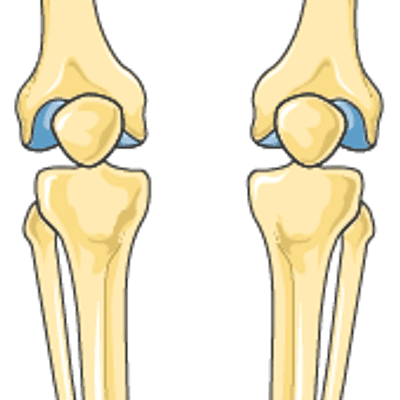 Orthopedic
Knee pain physiotherapy in Bengaluru for front-of-knee pain, overuse strain and age-related stiffness, with care at our Akshayanagar clinic or at home.
 Orthopedic
Shoulder pain physiotherapy in Bengaluru for rotator cuff and impingement-type pain, with guided strengthening at our Akshayanagar clinic or at home.
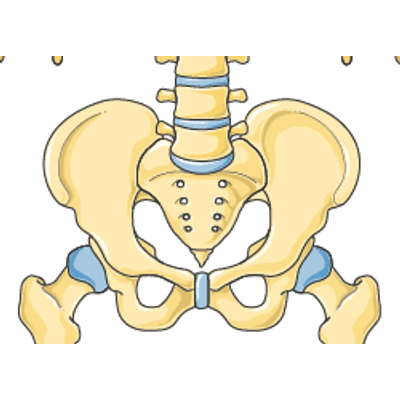 Orthopedic
Hip pain physiotherapy in Bengaluru for tendon, joint and referred pain, with a clear diagnosis and non-surgical plan at our clinic or on a home visit.
 Orthopedic
Ankle sprain physiotherapy in Bengaluru with balance retraining and strength work to help prevent repeat sprains, at our clinic or through home visits.
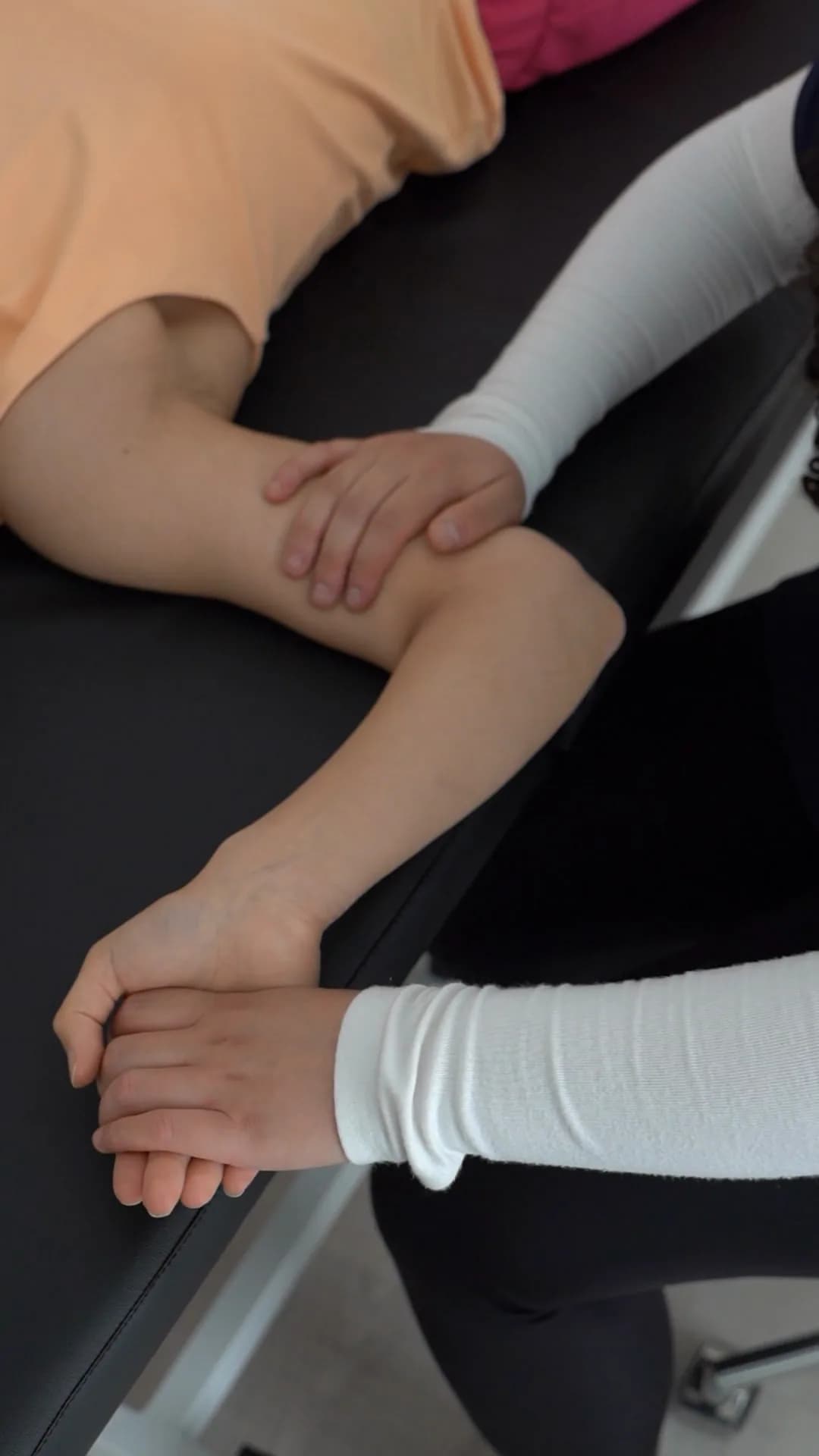 Knee replacement rehabilitation in Akshayanagar
 Arthritis physiotherapy in Akshayanagar
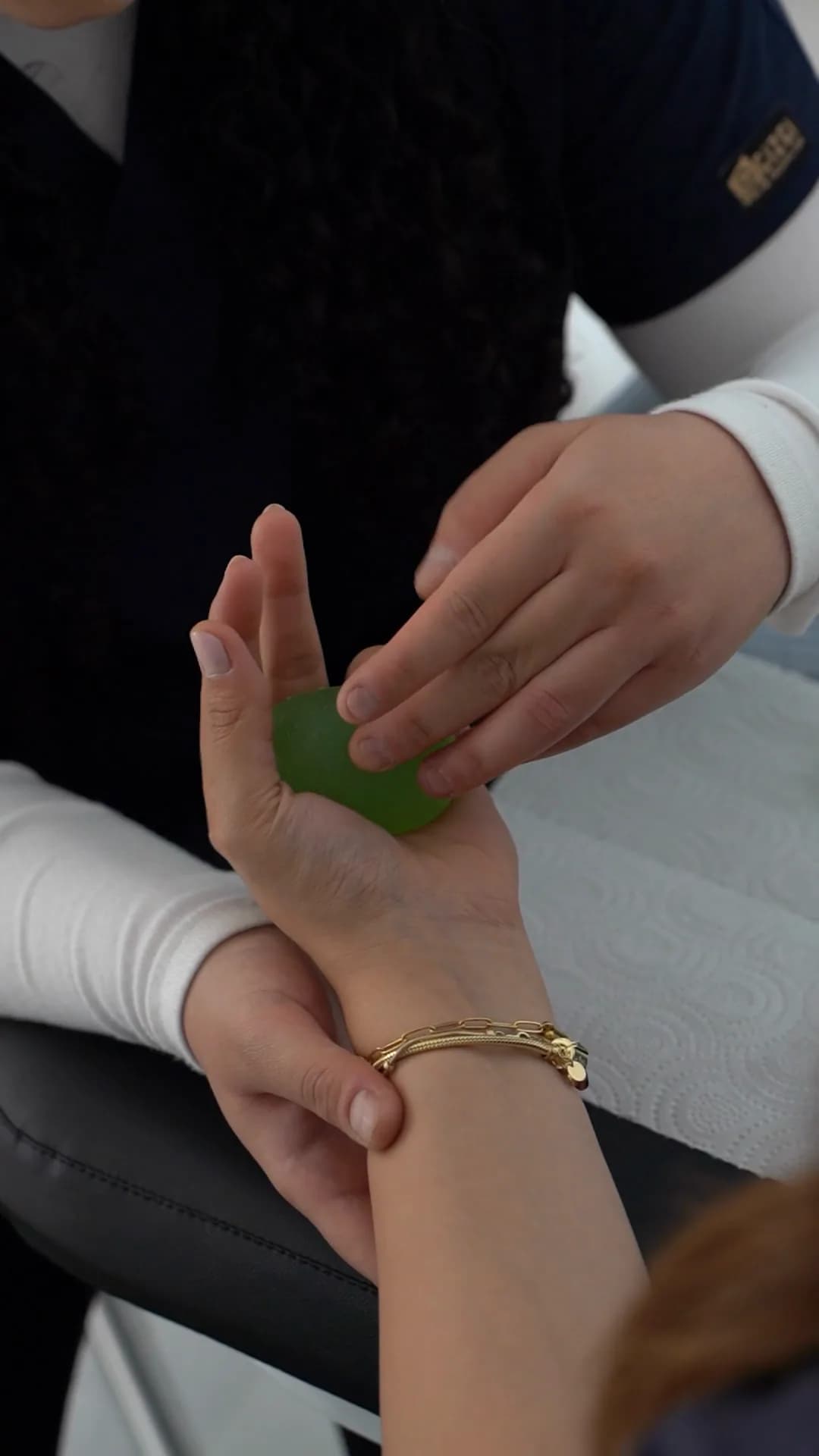 What physiotherapy costs in Akshayanagar, and what changes the numberKnee pain physiotherapy for Bannerghatta RoadAfter a knee replacement: what the first 12 weeks should look like
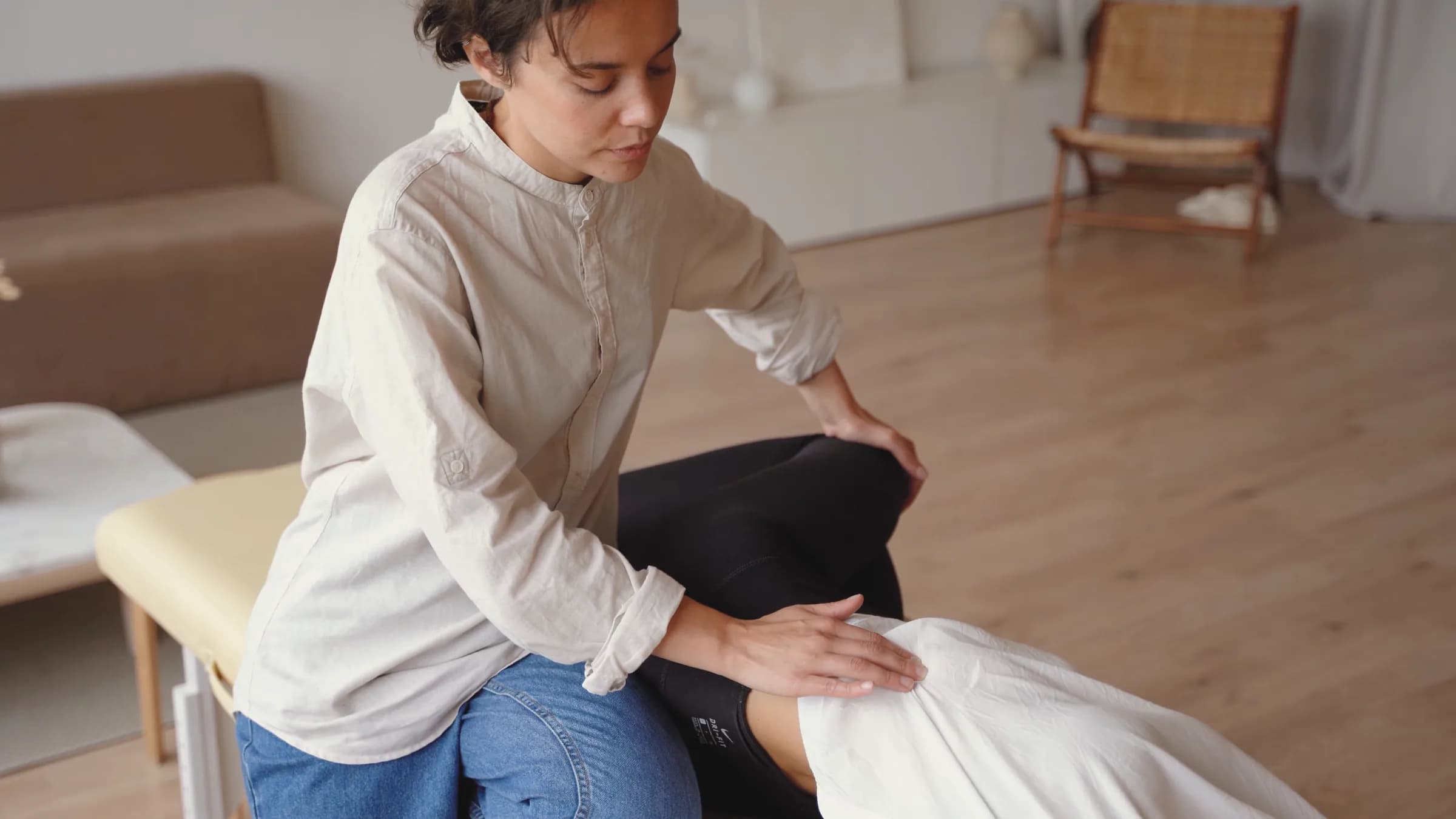 How long does physiotherapy take to work?
Medically Reviewed
This page was reviewed by Dr. David S Bhaktharaj PT, Lead Physiotherapist (BPT, MIAP).
This page is for patient education and appointment planning. It does not replace diagnosis, emergency care, or advice from a treating physician. Read the full medical disclaimer.