



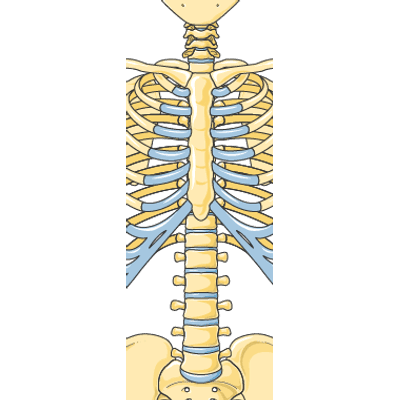
 Orthopedic
Back Pain Physiotherapy
Physiotherapy for lower back pain in Bengaluru, from desk-related stiffness to lifting strains, with exercise-led care at our clinic or on a home visit.
Conditions
Each condition has its own assessment pathway and recovery plan.
Locations
Our clinic is in Akshayanagar, and we visit patients at home in nearby areas.
Clinic
Who you will see, how treatment goes, and how to get in touch.
Patients
Articles and exercise guides for reading up before or between visits.

Arthritis physiotherapy in Bengaluru for osteoarthritis and inflammatory arthritis, with exercise and pacing plans at our clinic or during home visits.
Living with arthritis often means planning your day around your joints. Some mornings start stiff and slow, some days the hands or knees ache after ordinary chores, and a flare can undo a good week. Exercise may seem the last thing a sore joint needs, yet steady, well-judged movement is one of the most effective ways to manage both osteoarthritis and inflammatory arthritis.
Our physiotherapists help people across Bengaluru, including families in Bilekahalli, Hongasandra and Devarachikkanahalli, build routines that suit their joints and their lives. For inflammatory arthritis, physiotherapy works alongside your rheumatologist's treatment. Sessions take place at our Akshayanagar clinic or at home, which helps on days when joints are at their worst.
Arthritis covers a group of conditions that cause joint pain, stiffness and sometimes swelling. Osteoarthritis, the most common form, involves gradual changes in cartilage and bone, usually in the knees, hips, hands and spine, with symptoms that rise and fall rather than steadily worsen. Inflammatory arthritis, such as rheumatoid arthritis, psoriatic arthritis and ankylosing spondylitis, is driven by the immune system and needs medical treatment. In both, the muscles around affected joints often weaken and activity drops, which physiotherapy aims to reverse.
Arthritis tends to set up a cycle: pain reduces movement, reduced movement weakens muscles and stiffens joints, and weaker muscles make the joints ache more. Physiotherapy aims to break that cycle. Strengthening the muscles around affected joints helps them handle daily load, while range-of-motion work keeps joints moving as freely as possible. For inflammatory arthritis, this complements the medicines that control the disease.
Pacing is the other half of the work. Many people swing between overdoing it on good days and resting heavily on bad ones. The physiotherapist helps you find a steady baseline, plan chores around your energy and protect the small joints of the hands while cooking and cleaning. Progress is usually gradual: easier walking, better sleep and fewer disruptive flares.
Clinic sessions in Akshayanagar suit people who can travel comfortably and want supervised strengthening and fitness work. A home visit makes sense during a flare, when stiffness makes getting out hard work, or for older adults with arthritis in several joints. At home, the physiotherapist can also suggest practical changes, such as raising seating or using a high stool for kitchen work.
For most people with osteoarthritis, regular and appropriate exercise does not speed up joint damage. It usually eases pain and improves function by strengthening the muscles that support the joint. The key is the right type and amount, built up gradually, which is where a physiotherapist helps.
Heavy or repetitive exercise on inflamed joints is best avoided during a flare, but gentle movement through a comfortable range helps limit stiffness. Once the flare settles, strengthening resumes at a lower level and builds back up. Your physiotherapist adjusts the plan around each flare.
Pacing means spreading activity evenly through the day and week, rather than overdoing it on good days and resting for days afterwards. It involves breaking tasks into smaller parts, resting before pain builds and increasing activity in small steps. Many people find it reduces both flares and fatigue.
Start with an assessment at the clinic or at home. A session at the clinic is ₹800, and care packs of 5, 10 or 20 sessions bring it down to ₹600 a session.
What the first assessment covers
The home-visit fee depends on where you are, so ask us when you book.
Strengthening the thigh and hip muscles, combined with low-impact activity such as walking, cycling or water exercise, helps most people with knee osteoarthritis. The right choice depends on your pain, fitness and other health conditions, so a physiotherapist tailors and progresses the programme.
Yes, alongside a rheumatologist's treatment. Physiotherapy helps maintain joint movement, rebuild strength lost during flares, protect the small joints of the hands and improve fitness and fatigue. It does not replace medicines that control inflammation, but it helps you stay active while they work.
Yes. ASA Physiotherapy offers home visits in nearby areas including Bilekahalli, Hongasandra, Devarachikkanahalli and Bommanahalli, as well as sessions at its Akshayanagar clinic. Home visits suit people whose flares make travel difficult or who want advice on their home setup.
Osteoarthritis involves gradual changes in cartilage and bone, often in weight-bearing joints, with brief stiffness after rest. Rheumatoid arthritis is an autoimmune condition that often affects small joints on both sides of the body, with longer morning stiffness, swelling and fatigue. Both benefit from exercise, but rheumatoid arthritis also needs medical treatment.
At the clinic in Akshayanagar, or at home in these areas.
OrthopedicPhysiotherapy for lower back pain in Bengaluru, from desk-related stiffness to lifting strains, with exercise-led care at our clinic or on a home visit.
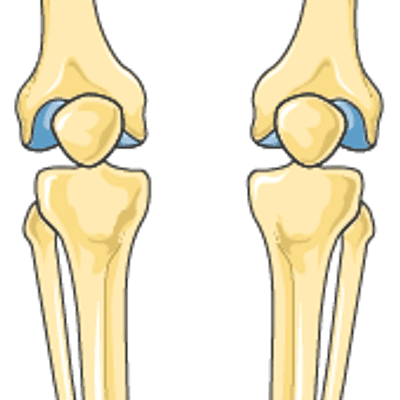 Orthopedic
Knee pain physiotherapy in Bengaluru for front-of-knee pain, overuse strain and age-related stiffness, with care at our Akshayanagar clinic or at home.
 Orthopedic
Shoulder pain physiotherapy in Bengaluru for rotator cuff and impingement-type pain, with guided strengthening at our Akshayanagar clinic or at home.
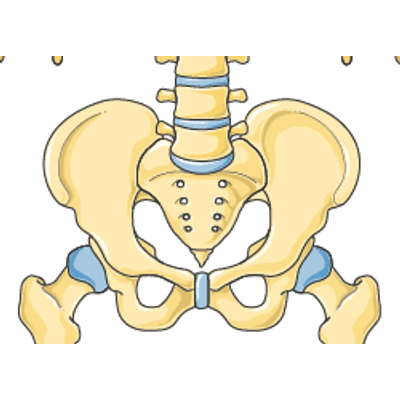 Orthopedic
Hip pain physiotherapy in Bengaluru for tendon, joint and referred pain, with a clear diagnosis and non-surgical plan at our clinic or on a home visit.
 Orthopedic
Ankle sprain physiotherapy in Bengaluru with balance retraining and strength work to help prevent repeat sprains, at our clinic or through home visits.
 Arthritis Exercise Safety: Protecting Joints While Staying Active
 Ligament Injury Rehab in JP Nagar: Questions Families Ask
 Knee Pain Physiotherapy in Kalena Agrahara: Key Family FAQsArthritis Management Timeline: Key Stages of Rehabilitation
 Hip Replacement Rehab in Gottigere: Questions Families Ask
 Hip Pain Physiotherapy in Bannerghatta Road: Family FAQs
Medically Reviewed
This page was reviewed by Dr. David S Bhaktharaj PT, Lead Physiotherapist (BPT, MIAP).
This page is for patient education and appointment planning. It does not replace diagnosis, emergency care, or advice from a treating physician. Read the full medical disclaimer.