



 Neurological
Stroke Physiotherapy at Home
Home stroke physiotherapy in Bengaluru that trains walking, transfers and daily tasks in your own rooms, with sessions at our Akshayanagar clinic later.
Conditions
Each condition has its own assessment pathway and recovery plan.
Locations
Our clinic is in Akshayanagar, and we visit patients at home in nearby areas.
Clinic
Who you will see, how treatment goes, and how to get in touch.
Patients
Articles and exercise guides for reading up before or between visits.

Physiotherapy for bedridden patients in Bengaluru through home visits: positioning, chest care, gentle movement, carer training and clinic sessions later.
When someone spends most of the day in bed, the body changes quickly. Joints stiffen, muscles weaken, the lungs do not expand fully and skin over bony areas comes under constant pressure. Physiotherapy for bedridden patients aims to slow or prevent these changes, keep the person comfortable and, where recovery is realistic, prepare them to sit, stand and move again.
Because travel is rarely practical, our physiotherapists usually see bed-bound patients through home visits across South and South-East Bengaluru. Much of the work involves the family or carer, who spends far more time with the patient than any therapist. We show them simple, safe routines that fit into daily care.
People become bed-bound for many reasons: a severe stroke, advanced dementia, a spinal cord injury, frailty in old age, a long illness or strict rest ordered by a doctor. Whatever the cause, lying still for long periods brings predictable risks, including pressure injuries, chest infections, joint contractures, blood clots and a rapid loss of muscle strength. Physiotherapy works alongside medical and nursing care to reduce these risks through regular positioning, breathing exercises, gentle movement and teaching carers to handle the person safely.
For a bed-bound person, small, regular actions matter most. Moving each joint through its range helps prevent contractures that make dressing, washing and sitting harder. Ankle movements and position changes support circulation. Breathing exercises and upright positioning help keep the lungs clearer. Good positioning spreads pressure, which supports the skin care given by nurses and family and keeps the person more comfortable.
Physiotherapy also protects the carer. Turning and moving someone without the right technique strains the back and shoulders, and exhausted carers find it hard to keep going. Learning how to roll, reposition and sit someone up with less effort makes daily care safer for both people. It also helps the family keep the routine going over the weeks and months that care may need.
For most bed-bound patients, a home visit is the practical choice. The physiotherapist can see the bed, mattress and room layout, adjust positioning on the spot and train the people giving daily care. We visit families in places such as JP Nagar, Bilekahalli, Hongasandra and Electronic City. If the person later becomes strong enough for a short car trip, clinic sessions at Akshayanagar can help progress standing and walking.
Sometimes, depending on the cause and the person's overall health. People bed-bound after an illness or surgery often regain sitting, standing and some walking. For others, realistic goals are comfort, easier care and fewer complications, which the physiotherapist discusses honestly with the family and doctor.
There is no single rule. It depends on the mattress, the skin and the person's overall risk, so the nurse or doctor should advise, and many families use a written turning chart. The physiotherapist can show positions that spread pressure and are easier for carers to manage.
Often, yes. Lying flat lets secretions settle and weakens the cough. Sitting more upright, deep breathing, supported coughing and regular changes of position can help clear the chest. If there are signs of infection, a doctor needs to assess first, and chest physiotherapy then supports that treatment.
Start with an assessment at the clinic or at home. A session at the clinic is ₹800, and care packs of 5, 10 or 20 sessions bring it down to ₹600 a session.
What the first assessment covers
The home-visit fee depends on where you are, so ask us when you book.
Yes. ASA Physiotherapy offers home visits for bed-bound patients in nearby South and South-East areas around Akshayanagar. Visits focus on positioning, chest care, gentle joint movement and teaching family members or carers to move the patient safely.
Stiffness is reduced by moving each joint gently through its range every day, changing position regularly and using pillows or splints to keep joints aligned. A physiotherapist can teach carers a safe routine and adapt it for pain, spasticity or fragile skin.
Depending on their condition, suitable exercises include ankle pumps, deep breathing, gentle knee and hip bends, supported arm raises, bridging and rolling side to side. These should match the person's strength and medical advice, so begin under a physiotherapist's guidance.
Raise the bed if possible, keep your feet apart and knees bent, and roll the person towards you rather than pulling or lifting. A slide sheet and a second helper make it easier, and a physiotherapist can show you the technique at home.
At the clinic in Akshayanagar, or at home in these areas.
NeurologicalHome stroke physiotherapy in Bengaluru that trains walking, transfers and daily tasks in your own rooms, with sessions at our Akshayanagar clinic later.
NeurologicalParalysis rehabilitation in Bengaluru for hemiplegia, paraplegia and nerve injuries, with realistic goals and physiotherapy at our clinic or at home.
NeurologicalParkinson's physiotherapy in Bengaluru for freezing, small steps and falls, using cueing and big-movement training at our clinic or during home visits.
NeurologicalMultiple sclerosis rehabilitation in Bengaluru focused on fatigue, heat sensitivity, pacing and staying mobile, at our clinic or through home visits.
NeurologicalBalance disorder physiotherapy in Bengaluru for dizziness, BPPV and unsteadiness, with assessment and exercise at our clinic or through home visits.
 Bedridden Patient Physiotherapy in Arekere: Family FAQs
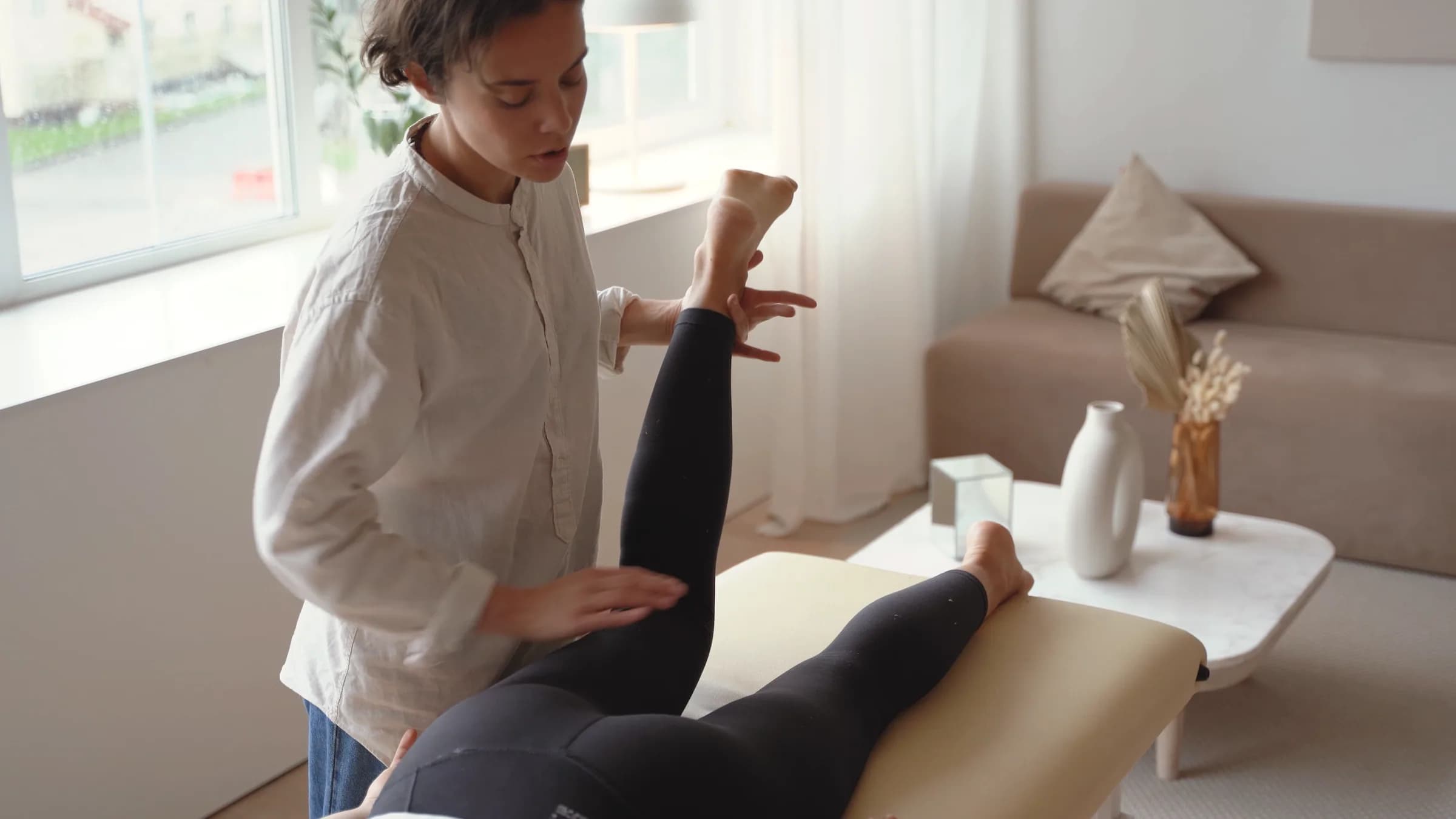 Paralysis rehabilitation in Akshayanagar
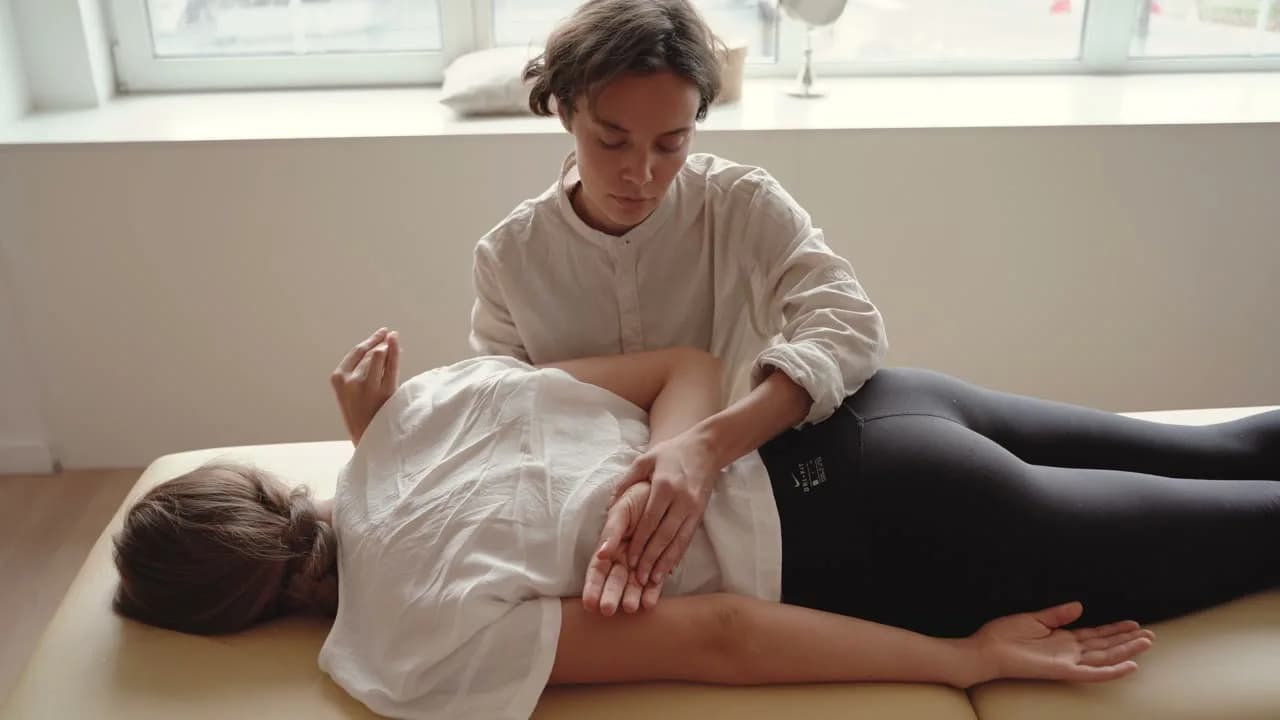 Physiotherapy for bedridden patients in Kalena AgraharaHome physiotherapy or clinic: which do you actually need?
 Physiotherapy for Bedridden Patients: Urgent Medical Signs
 Stroke Rehab at Home in Electronic City: Family Questions
Medically Reviewed
This page was reviewed by Dr. David S Bhaktharaj PT, Lead Physiotherapist (BPT, MIAP).
This page is for patient education and appointment planning. It does not replace diagnosis, emergency care, or advice from a treating physician. Read the full medical disclaimer.