Sciatica and Slip Disc FAQs: Understanding Causes and Rehab
Reviewed by Dr. David S Bhaktharaj PT, Lead Physiotherapist at ASA Physiotherapy

On this page
- What Is the Difference Between a Slip Disc and Sciatica?
- What Are the Common Symptoms of Sciatica and Disc Herniation?
- When Does Sciatica Need Urgent Medical Review?
- How Does Physiotherapy Help Manage Slip Disc and Sciatica?
- What Can You Expect During Home Physiotherapy Visits?
- How Can You Manage Pain and Prevent Sciatica Flare-Ups at Home?
A sudden flare-up of lower back pain that shoots down one leg can disrupt your daily routine, make sitting or sleeping uncomfortable, and leave you feeling unsure about how to recover safely. People experiencing these symptoms often wonder whether they have a mild back strain or a more structural issue involving the spinal discs. Terms like 'slip disc', 'herniated disc', and 'sciatica' are frequently used interchangeably, which can cause unnecessary confusion and worry.
At ASA Physiotherapy, we support individuals across Bengaluru as they navigate spinal discomfort and regain functional movement. Patient education forms a crucial part of every rehabilitation plan. In this article, we answer the most common questions patients and their families ask regarding slip disc and sciatica, explaining the underlying causes, conservative care options, home care strategies, and key warning signs that demand urgent medical attention.
What Is the Difference Between a Slip Disc and Sciatica?
To understand your symptoms, it is helpful to distinguish between a structural change in your spine and the irritation of a spinal nerve. A disc herniation—commonly termed a slip disc—refers to a anatomical change in the intervertebral discs that act as cushions between the bones of your spine. Each disc consists of a tough outer fibrous ring and a soft gel-like centre. When excessive pressure or age-related changes occur, the outer ring can weaken, allowing the inner material to bulge outward.
Sciatica, on the other hand, describes a set of symptoms rather than a standalone condition. It refers to pain, tingling, or altered sensation that travels along the pathway of the sciatic nerve. The sciatic nerve originates in the lower back, passes through the buttock, and extends down each leg. While a herniated disc is one of the most common causes of sciatic nerve compression, other factors such as joint arthritis, muscle tightness, or narrowing of the spinal canal can also trigger similar sciatic pain. For detailed information on structural interventions, you can read about our approach to Slip Disc (Herniated Disc) Physiotherapy in Bengaluru.
What Are the Common Symptoms of Sciatica and Disc Herniation?
Symptoms vary depending on the location of the affected disc and the degree of nerve compression. While back pain may be present, the pain felt further down the leg is often more troublesome for patients.
Lower Back and Buttock Pain
Many individuals report a dull, aching sensation or stiffness in the lumbar region. This discomfort may worsen after prolonged sitting, forward bending, or standing up after sitting for an extended period.
Radiating Leg Pain and Altered Sensation
Sciatic pain typically affects one side of the body. It can range from a mild ache to a sharp, burning, or electric-shock-like sensation traveling from the buttock down the back of the thigh, calf, and into the foot. Some individuals also experience persistent numbness or a 'pins and needles' feeling in specific areas of the leg or toes. You can learn more about managing these symptoms through Sciatica Pain Relief and Physiotherapy in Bengaluru.
Muscular Weakness or Heavy Feelings
When nerve root compression impairs signals to the muscles, you might notice weakness in the leg or foot. This can cause difficulty lifting the front part of your foot while walking or make climbing stairs feel unusually strenuous.
When Does Sciatica Need Urgent Medical Review?
While physiotherapy is highly effective for conservative management of disc herniation and sciatica, certain neurological symptoms require immediate hospital evaluation rather than rehabilitation. These severe symptoms may indicate a rare but critical condition known as Cauda Equina Syndrome, where the nerve roots at the base of the spinal cord suffer heavy compression.
Seek immediate medical emergency care if you experience any of the following red flag symptoms:
- Bladder or bowel dysfunction: Sudden loss of bowel or bladder control, or difficulty passing urine despite feeling a full bladder.
- Saddle anaesthesia: Complete loss of sensation or numbness in the areas that would touch a saddle—including the groin, buttocks, and inner thighs.
- Progressive motor weakness: Rapidly worsening weakness in both legs, causing frequent stumbling or an inability to stand up.
- Unexplained systemic signs: Severe, unrelenting back pain accompanied by high fever, chills, or unexplained weight loss.
If you observe any of these warning signs, present to an emergency medical facility right away for rapid diagnosis and medical imaging.
How Does Physiotherapy Help Manage Slip Disc and Sciatica?
For the vast majority of non-emergency cases, clinical guidelines recommend conservative care, including targeted physiotherapy, as a primary approach. A structured physiotherapy programme aims to relieve nerve irritation, restore spinal joint mobility, strengthen supportive muscles, and guide a safe return to everyday activities.
Physiotherapy management generally includes:
- Nerve Desensitisation and Movement Techniques: Gentle, specific movements help the sciatic nerve glide smoothly through surrounding tissue, reducing mechanical tension and nerve sensitivity.
- Core Stabilisation Exercises: Strengthening the deep abdominal, back, and hip muscles helps distribute spinal loads evenly, reducing mechanical stress on the intervertebral discs.
- Postural and Movement Re-education: Learning how to bend, lift, and sit efficiently minimizes unnecessary pressure on lumbar discs during work and household chores.
- Graduated Aerobic Activity: Controlled walking routines help boost blood circulation to the spine, promoting natural healing processes without aggravating the irritated nerve.
What Can You Expect During Home Physiotherapy Visits?
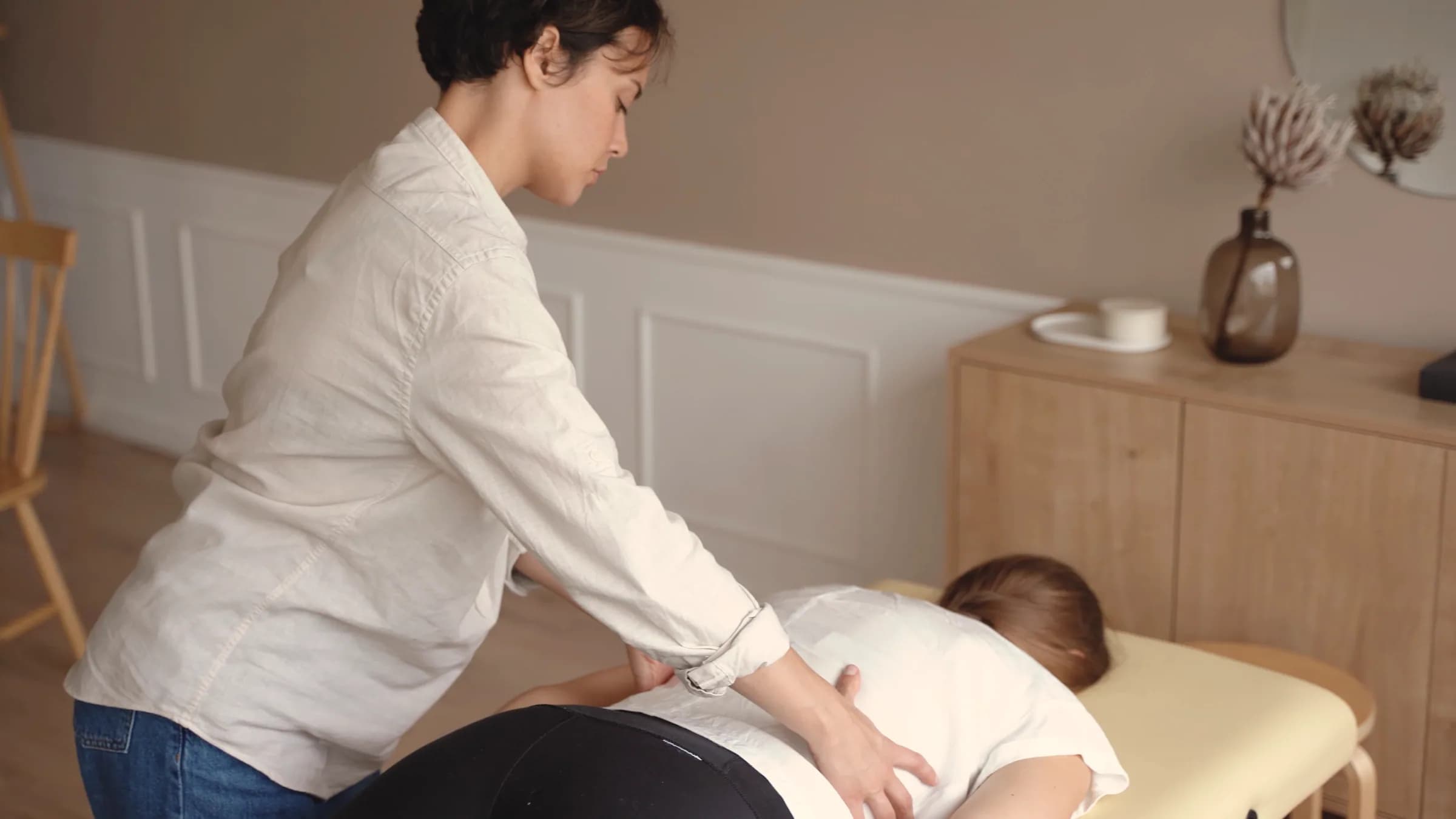
During acute flare-ups of sciatica, traveling across traffic to visit a health centre can feel daunting. For patients living across Hongasandra, HSR Layout, and nearby areas of Bengaluru who experience severe acute pain, home-based care provides a convenient and comforting alternative.
When a physiotherapist visits your home, they conduct an initial assessment similar to a clinic visit. This includes evaluating your posture, range of movement, muscle strength, and specific nerve movement patterns. Additionally, a home assessment allows the therapist to observe how you move in your daily living environment—such as getting out of your bed, sitting on your sofa, or using stairs. Based on this observation, your physiotherapist tailors an individualized home exercise plan using furniture and space available in your living room or bedroom. For detailed pricing structures regarding our clinical and home care options, current fees and care packages are listed on our fees and care packages page.
How Can You Manage Pain and Prevent Sciatica Flare-Ups at Home?
Managing spinal conditions requires a balance between active movement and appropriate rest. Long periods of rigid bed rest were once common, but clinical research now demonstrates that prolonged immobility can slow down recovery by causing muscle stiffness and weakness.
Here are practical strategies to aid your recovery at home:
- Stay Gently Active: Take short, frequent walks on flat surfaces rather than sitting for several hours at a time. Change your position every 30 to 45 minutes.
- Pacing Daily Tasks: Avoid heavy lifting, sudden twisting, or sustained forward bending during an acute flare-up. Break heavier household chores into smaller, manageable steps.
- Ergonomic Modifications: Ensure your sitting chair supports your lower back curves naturally. Avoid sitting on overly soft couches that cause your spine to slump.
- Follow prescribed exercises consistently: Perform gentle nerve gliding and mobility exercises strictly as advised by your qualified physiotherapist.
References
Common questions
Can a slip disc heal naturally without surgery?
Yes, many instances of disc herniation resolve or symptomatically improve over time with conservative management, targeted exercise therapy, and activity modification.
Is complete bed rest recommended for acute sciatica pain?
No, prolonged strict bed rest is generally discouraged. Staying gently active within your pain tolerance promotes spinal movement and speeds up functional recovery better than staying in bed.
How does a home physiotherapy session work for severe back pain?
A physiotherapist visits your home to assess your movement, reduce nerve pain with gentle mobility techniques, and design a customized home exercise routine suited to your living space.
When should I seek urgent medical evaluation for my back and leg pain?
Seek emergency medical care immediately if you experience loss of bowel or bladder control, severe numbness around your groin and buttocks, or severe progressive weakness in both legs.