Frozen shoulder physiotherapy in Akshayanagar
Reviewed by Dr. David S Bhaktharaj PT, Lead Physiotherapist at ASA Physiotherapy

On this page
Frozen shoulder, or adhesive capsulitis, is one of the few conditions that runs a genuinely predictable course. Knowing which stage you are in matters more than almost anything else, because the treatment that helps in month eight can set you back in month two.
What is happening
The capsule surrounding the shoulder joint becomes inflamed, then thickens and contracts. The joint physically loses room to move. That is why a frozen shoulder cannot be stretched out by determination — the restriction is structural, not tight muscle.
A distinguishing test: in a true frozen shoulder, movement is restricted even when someone else moves your arm for you. Rotator cuff problems usually allow fuller passive movement, and they need a different plan.
The diabetes link
Frozen shoulder is several times more common in people with diabetes, tends to be more stubborn and lasts longer. Given how common diabetes is in this age group in Bengaluru, mention it at the assessment if it applies — it changes both the expected timeline and the urgency of starting.
Treatment by stage
Freezing — pain leads
Pain dominates, worst at night, lying on that side impossible. Treatment aims at pain control and keeping the range you still have. Aggressive stretching here inflames an already angry capsule and is the commonest mistake made. A steroid injection, discussed with your doctor, is often most useful during this stage.
Frozen — stiffness leads
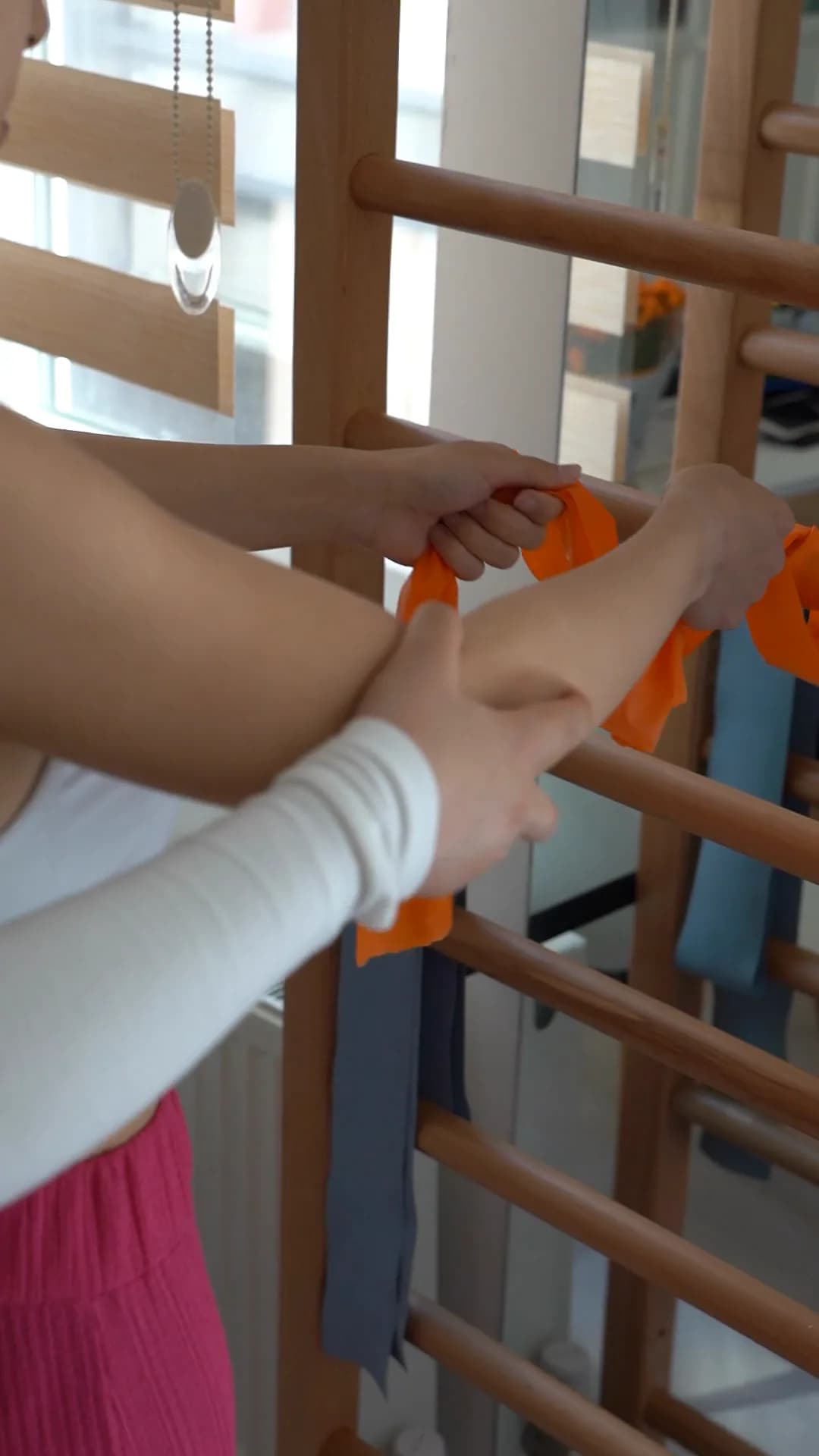
Pain settles; genuine stiffness remains. Reaching behind your back, fastening clothing, reaching a seatbelt become daily frustrations. This is where hands-on mobilisation and progressively firmer stretching earn their place, because the capsule now tolerates loading it could not handle earlier.
Thawing — movement returns
Range comes back gradually, with strength lagging. Finishing with strengthening prevents being left with a shoulder that moves but tires quickly and aches with use.
The honest timeline
One to three years in total is common. We say that plainly at the start, because people expecting six weeks lose faith and stop, which genuinely worsens the outcome. Most recover good function; a minority keep some loss of end-range movement that rarely limits ordinary life.
What to be wary of
Be sceptical of anyone promising to unfreeze a shoulder in a handful of sessions, and of forceful passive stretching during the painful phase. A good guide is that a stretch should ease within a few minutes of stopping, not leave you in pain all evening.
Locally
Because this is a long condition, we plan it in blocks with review points rather than booking an open-ended run, and our care packs are usually the sensible option. Being in Akshayanagar helps with the frequency this condition needs — little and often beats one long session a week.
No 13, 1st Floor, 101, Sugama Layout, Nayapanahalli, Akshayanagar 560114, with evening and weekend appointments. See frozen shoulder physiotherapy or call +91 96323 55913.
References
Common questions
How long does frozen shoulder last?
Commonly one to three years in total, through freezing, frozen and thawing stages. Treatment matched to the stage improves comfort and function throughout and reduces lasting stiffness, but it does not compress the condition into weeks.
Should I push through the pain when stretching?
Not during the painful freezing stage, where forceful stretching inflames the capsule and slows progress. Firmer stretching becomes appropriate once pain settles. A stretch should ease within a few minutes of stopping.
Why is it more common with diabetes?
Raised blood glucose is thought to affect collagen in the joint capsule, making it more prone to thickening. People with diabetes develop it several times more often, have it longer, and benefit from starting treatment early.